Croatian Marinas 2026 Guide: ACI & Private Marinas + Fees
Complete 2026 guide to Croatian marinas — ACI vs private, fees by location, booking lead time, which marinas matter most on each charter route.
Read more
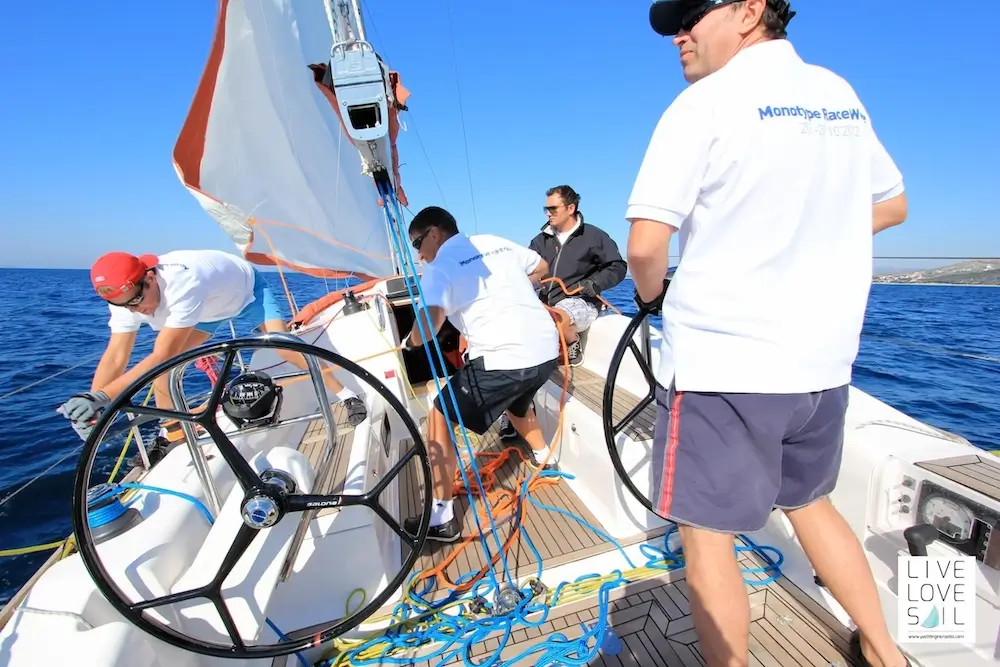
You want clarity before you book. You want a smooth handover at the pier. You want a safe week for family and friends. This guide explains rules, documents, and real workflows in Croatian marinas. I speak as a local charter expert based in Split. We check original licenses at base on Saturday from 17:00. We support during the week. You get straight answers below.
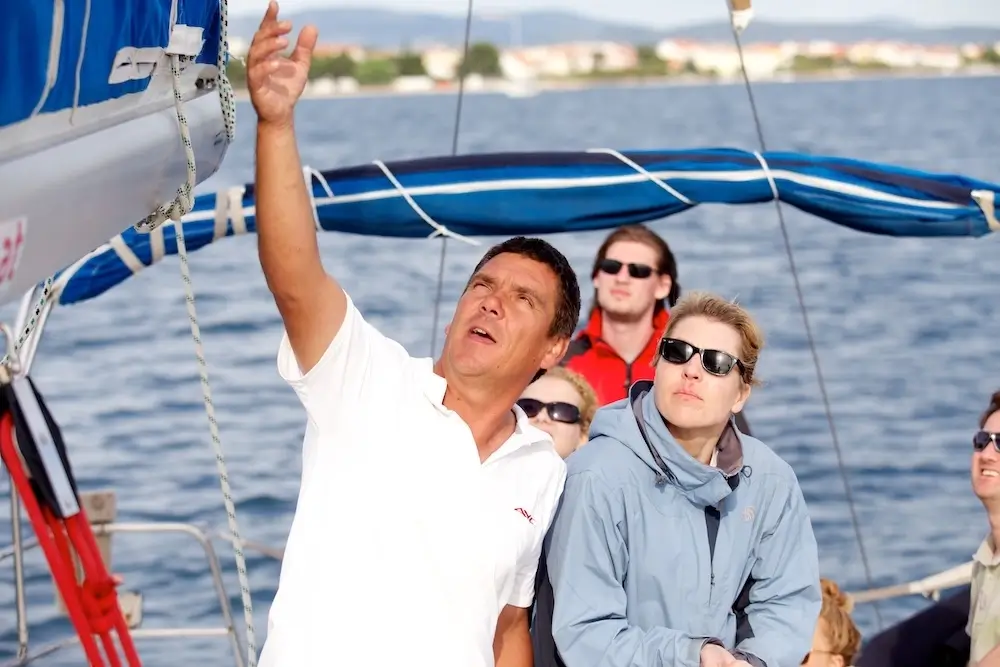
Do You Need A Skipper License In Croatia 2
Boarding day follows a tight routine. Our base team coordinates with marina staff and, when required, local authorities. Expect a short queue at contract desks in ACI Split, Marina Kaštela, or SCT Trogir. Documents move fast when everything sits ready in one folder.
Police or Port Authority officers run random dock checks during peak weeks. A tidy nav desk and visible papers help everyone move on quickly.
Croatia recognizes a wide set of national and international licenses. Focus on scope and coastal rights. Examples many guests carry:
Borderline paperwork slows boarding. Send scans during inquiry. Our team checks acceptance with the base in advance. For a broader view of self-skipper rules, read bareboat requirements in Croatia.
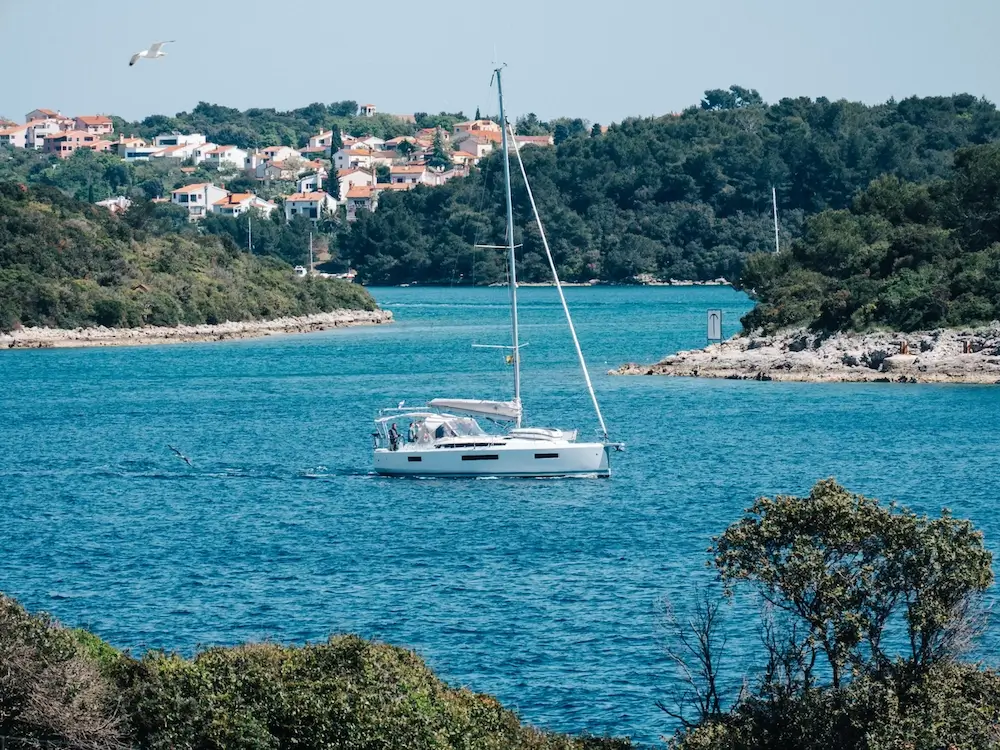
Do You Need A Skipper License In Croatia 3
Every bareboat skipper holds a radio operator certificate. Separate card or combined license both work. Checks happen at the desk and occasionally on water. Split, Hvar, Vis, and Korčula see frequent summer patrols. A quick refresher before the trip helps. For a simple overview with examples and timing, open this VHF certificate guide.
Rules aim for safe weeks and clean returns. Read these points twice and share with your crew.
Local knowledge lowers stress and raises comfort. Choose a professional captain when one or more points below apply.
A skipper also unlocks easy table bookings and faster fuel stops. If you lean toward comfort from day one, review skippered charter options and choose a service level that matches your group.
Clear roles prevent drama at the dock. Assign positions before leaving the berth.
Croatia rewards crews who plan around daily wind cycles. Central Dalmatia follows a reliable rhythm in summer.
Plan crossings in the morning. Swim during the build. Short hops to protected bays after lunch. For month-by-month planning, open best time to charter in Croatia.
Pack reef-safe sunscreen, a light waterproof top, non-marking shoes, a hat, and soft bags.
Board in Split, Marina Kaštela, or SCT Trogir. First night in Šešula on Šolta. Berth at ACI Palmižana for Hvar nights. Vis Town for a calm sleep. Komiža for jugo shelter and a quiet promenade. For city days before or after the week, browse Split catamaran charters inspiration.
Start near D-Marin Mandalina in Šibenik. Short legs to the river, then Prvić, Zlarin, and the Kornati archipelago. National park tickets required. Moorings inside park zones reduce anchor stress over fragile seabeds. Read route ideas inside Kornati and Šibenik route.
Fly into Dubrovnik. Board near ACI Dubrovnik on the river. Sail to Lopud and Šipan. Explore old walls on the last day. For shore plans between sails, scan this guide to Dubrovnik catamaran charters area beaches.
Transparency builds trust. We share totals early and list extras before you pay.
For a clear basket of inclusions, read what is included in the rental agreement.
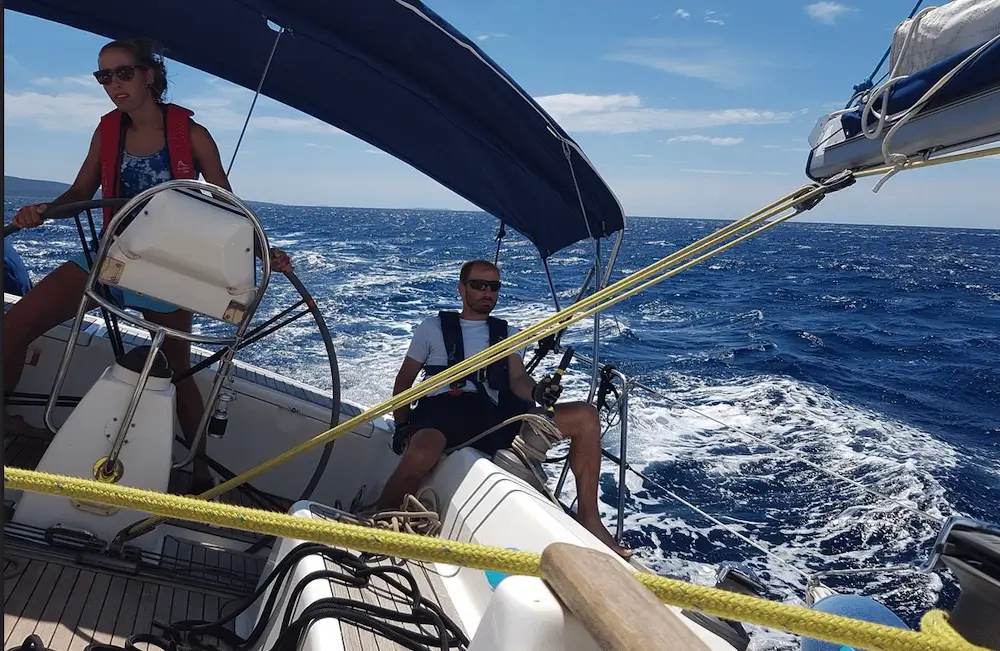
Do You Need A Skipper License In Croatia 5
Bareboats post a refundable deposit or choose a waiver. Damage means real repair or replacement costs, plus time for contractors. Common examples:
Our team advises on deposit options during contracting. You choose the risk level you prefer.
We run a short brief after boarding and repeat key items before the first night swim.
Protected zones require extra care. Kornati and Mljet use ticket systems and mooring fields. Anchor on sand, not on seagrass. For eco routines that help everyone, browse sailing eco friendly tips.
Layout comfort and stability shape every day. Wide decks, a covered cockpit, and equal cabins keep friends happy. For structured selection logic by group size, review how to choose the right catamaran.
Our phone stays on. Shore support stays close for parts and bookings.
Our quotes list base rate, taxes, transit log, and crew wages. Running costs show as fuel, moorings, water, power, and toys. Fully crewed yachts use APA for week-long expenses. Final reconciliation comes from the captain with receipts. No surprises.
Do You Need A Skipper License In Croatia 4
Ready to start planning? Browse our catamaran fleet to compare layouts, pricing, and availability for your dates.
Yes. A radio operator certificate sits next to the skipper license in the document pack. Combined cards also pass checks.
No. Skipper of record is an adult with recognized papers.
Most contracts restrict night sailing. Plan day hops and reach shelter before dark.
Rules vary by zone and season. Ask our team to check local notices for Kornati, Mljet, and heritage towns before flight plans.
Entry follows a ticket line and tender transfer in settled seas. Our captain checks swell before setting that leg. Early morning slots reduce waits.
Seven to ten days before boarding. Last-minute changes still work, yet early submission helps marina staff and local authorities keep records clean.
You bring friends and dates. We bring verified partners, audited fleets, and shore support that answers fast. Press the line below and share your plan.
This guide was prepared by the Catamaran Charter Croatia editorial team — a group of charter brokers and sailors who have been organizing yacht charters in Croatia since 2007. Every itinerary, marina, and pricing range described here reflects current first-hand fleet experience and direct partnership with licensed charter agencies. Last reviewed: May 2026.
If a detail looks out of date, write us at www.catamaran-croatia-charter.com/contact — we update guides quarterly.