Is a Catamaran Safer Than a Yacht? Exploring the Seas with Confidence
Sailing the deep blue has long been a source of intrigue and fascination. The choice of vessel plays a crucial role in the quality and safety of the experience. In this article, we delve into the safety dynamics of two popular marine vessels: catamarans and yachts. With the surge in luxury catamaran charters and yacht rentals in Croatia, understanding which one ensures a safer journey is essential for seasoned sailors and novices alike.
Understanding the Catamaran Advantage
Stability and Design
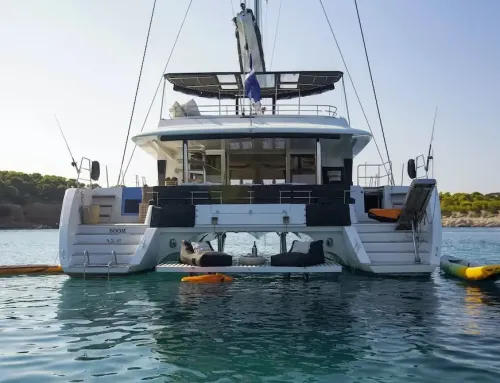
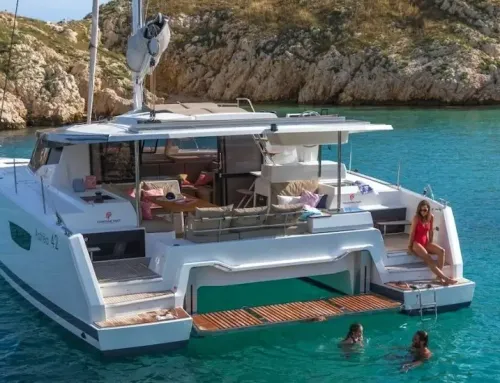
Catamarans, with their dual-hulled structure, inherently offer greater stability on the water than traditional single-hulled yachts. This feature is particularly advantageous when it comes to safety as it minimizes rolling and keeps the vessel steady in rough sea conditions.
Spaciousness and Comfort
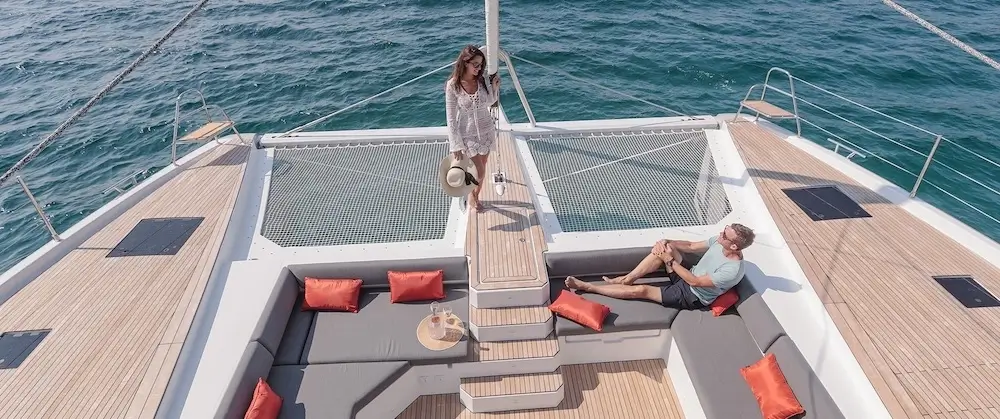
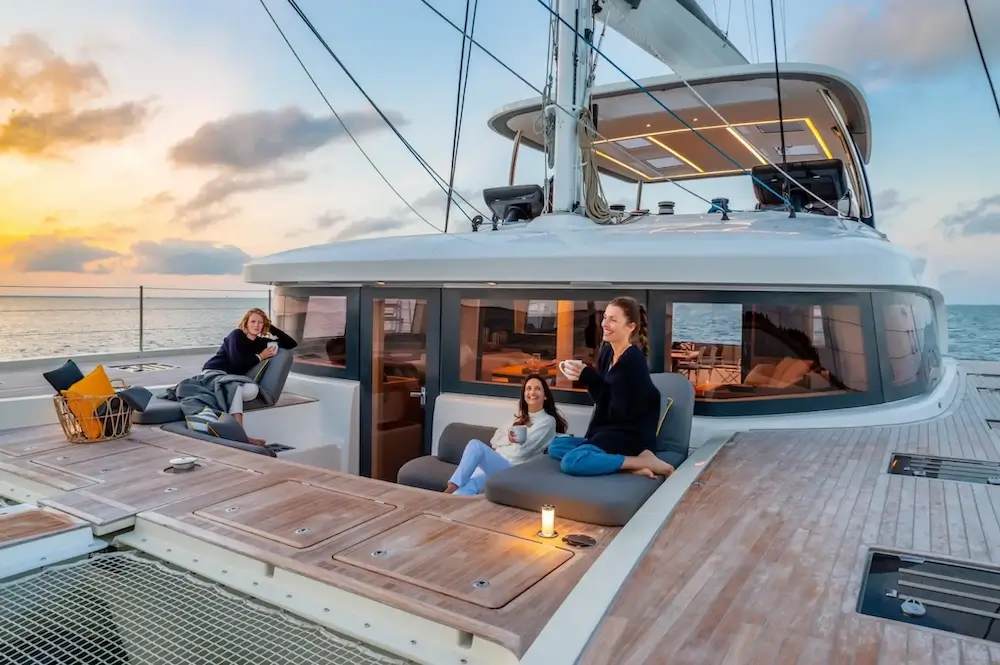
The wide beam of catamarans provides ample space, which not only contributes to comfort but also to safety. A spacious deck reduces the risk of accidents that can occur due to cramped conditions.
Yachts: Classic Elegance on the Seas
The Time-Tested Monohull
Yachts, often synonymous with luxury and sophistication, have been the classic choice for mariners. Their deep keels and weighted hulls give them a strong righting ability, which can be crucial when navigating through turbulent waters.
Streamlined Maneuverability
The sleek design of a yacht allows for precision in maneuvering, which is an essential safety feature, especially when facing challenging marine environments.
Is A Catamaran Safer Than A Yacht 2
Comparative Safety Aspects
Handling the Winds
When it comes to sailing in strong winds, both vessels have their merits. Catamarans can handle winds well due to their low center of gravity, while yachts are built to cut through the waves, lessening wind resistance.
Emergency Scenarios
In the unlikely event of capsizing, catamarans are considered to be safer due to their ability to stay afloat, offering a higher chance of rescue.
Anchoring and Docking
The process of anchoring and docking is different for each vessel, and safety in these situations often comes down to the skill and experience of the captain.
Why Safety Should Be Your Priority
Ensuring Peaceful Sailing
No matter the choice of vessel, safety is paramount. A peaceful sailing experience is a safe one, where the risks are mitigated by the design and features of the boat.
Training and Preparedness
Both catamarans and yachts require the crew to be well-trained and prepared for all eventualities, which directly impacts safety on board.
Safety in Modern Design
Technological Advancements
The modern designs of both catamarans and yachts incorporate the latest in marine technology, which significantly enhances sea safety.
Structural Integrity
Both types of vessels are designed with safety in mind, but the structural integrity of catamarans with their separate hulls can offer an additional layer of security.
The Verdict on Safety
While each type of vessel has distinct features that can impact safety, the consensus is that catamarans tend to be safer due to their stability and buoyancy. However, it’s crucial to remember that the safety of any vessel also relies on the expertise of the crew and the conditions at sea.
Is A Catamaran Safer Than A Yacht 3
Navigating the Seas: Catamaran vs. Yacht Handling
Catamaran Handling: A Double-Hulled Difference
The twin hulls of a catamaran provide stability and distinct handling characteristics. Maneuvering a catamaran requires an understanding of its wide turning radius and the way it responds to helm commands, especially in crowded marinas or when docking.
Yacht Handling: Precision and Grace
Yachts, on the other hand, with their single hulls, can offer more precise control in tight situations. Their ability to quickly tack and jibe due to the monohull design is often cited as a reason for their preference in sailing communities.
Safety Equipment and Features
Safety Features on Catamarans
Modern catamarans are equipped with state-of-the-art safety features, including advanced navigation systems, automated man-overboard alerts, and design elements that keep them afloat even when flooded.
Safety Innovations in Yachts
Yachts, too, have seen a surge in safety innovation. From cutting-edge radar systems to automatic identification systems (AIS), yachts now come equipped with technology that ensures the safety of everyone on board.
Sea Conditions: Catamarans and Yachts Face the Test
Rough Waters: Catamarans’ Stability Shines
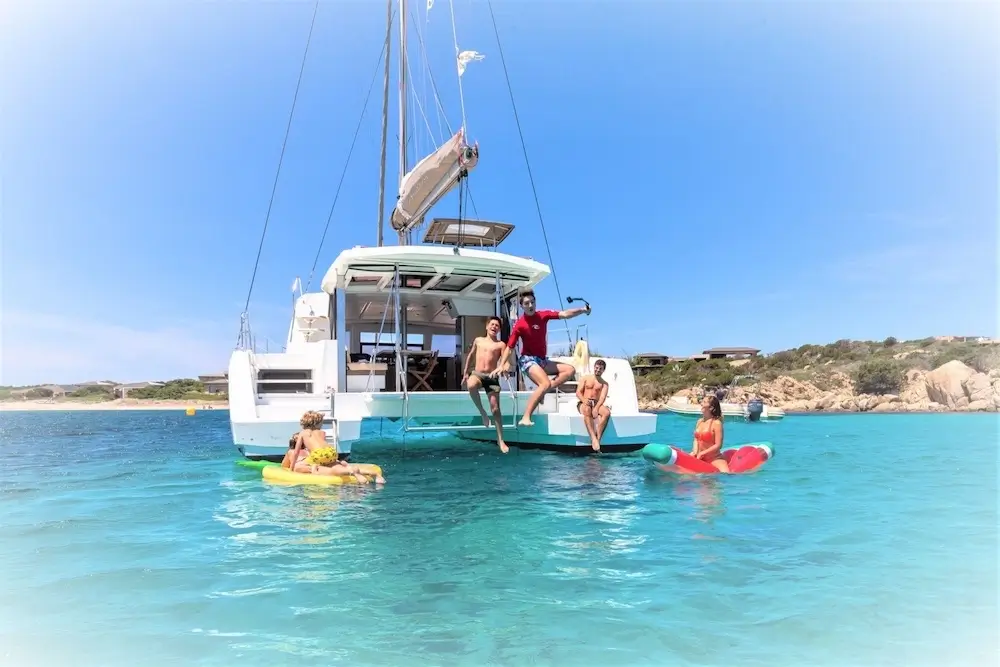
In choppy sea conditions, catamarans often have the upper hand. Their design allows them to ride over waves with less pitching and yawing, reducing seasickness and the risk of overboard incidents.
Yachts: Battling the Swell
Yachts have a deeper draft and heavier ballast, which allows them to cut through waves. This can make for a smoother ride in certain conditions, but also means they can be more susceptible to rolling in heavy seas.
Is A Catamaran Safer Than A Yacht 7
Safety in Experience: What Sailors Say
Testimonials from Catamaran Enthusiasts
Sailors who prefer catamarans often speak to the peace of mind that comes with the boat’s stability. Many report feeling more secure, especially when sailing with families or less experienced crews.
Insights from Yacht Aficionados
Those who swear by yachts talk about the thrill of sailing and the boat’s responsiveness. Yacht enthusiasts often have years of experience and are comfortable with the heeling and the tactics required to manage it.
Choosing Your Charter: Safety Considerations
Selecting a Catamaran Charter in Croatia
When opting for a luxury catamaran charter, consider the level of experience required to handle the vessel, as well as the safety features that come with your particular model.
Yacht Charter Decisions
If you’re leaning towards a yacht charter, assess the yacht’s equipment and ensure that you, or your skipper, are well-versed in the particular handling qualities of the yacht you’ll be renting.
The Role of Skipper and Crew in Safety
The Importance of a Skilled Skipper
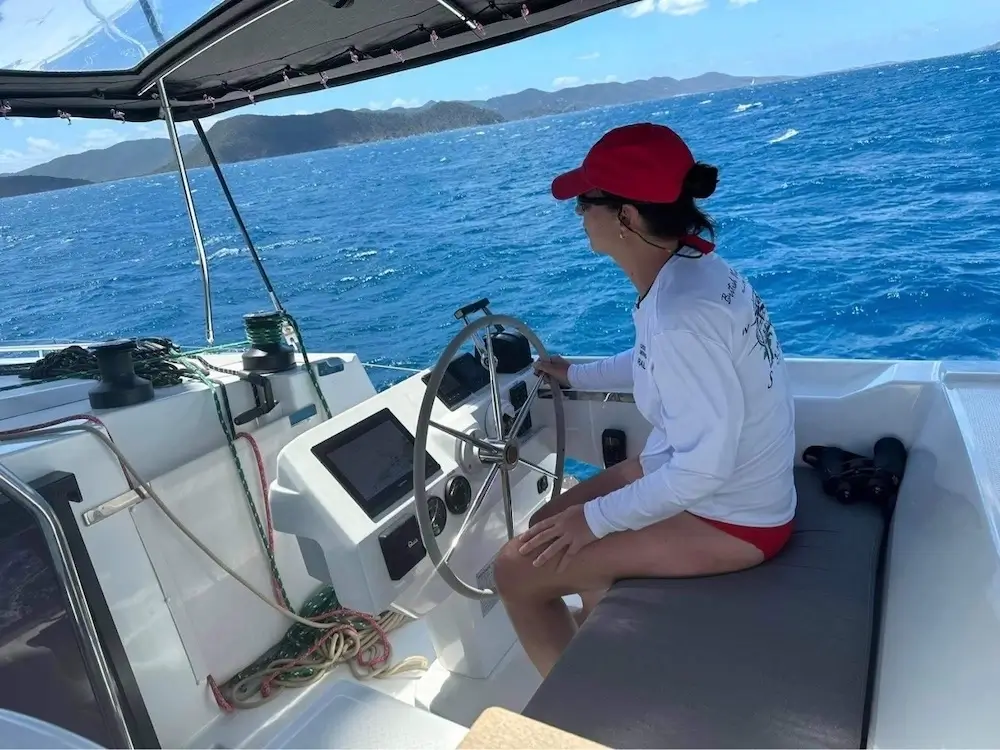
No matter the vessel, the skipper’s experience and knowledge are critical to ensuring a safe voyage. A well-trained skipper can mitigate many of the risks associated with sailing, regardless of whether they’re at the helm of a catamaran or a yacht.
Crew Competency and Safety
The crew’s ability to perform under the skipper’s direction is equally important. A competent crew can ensure that the vessel’s safety protocols are followed and can act quickly and efficiently in case of an emergency.
When considering a sea adventure, whether you’re thinking of a yacht for rent in Croatia or a luxury catamaran, understanding the safety features and handling characteristics of your chosen vessel is imperative.
Mastery at Sea: Training and Preparedness for Sailing
Sailing Courses: A Foundation for Safety
Whether you’re at the helm of a catamaran or a yacht, proper training is invaluable. Sailing courses offer comprehensive education on navigation, emergency procedures, and weather analysis, vital for a safe journey.
Advanced Training: Specializing in Vessel Types
For those looking to master their craft, specialized courses for catamaran handling or yacht maneuvering can refine a sailor’s skills, providing the confidence to tackle challenging sea conditions safely.
Is A Catamaran Safer Than A Yacht 4
Emergency Protocols: The Prudent Sailor’s Guide
Catamaran Crisis Management
Because of their design, catamarans can remain afloat even when capsized, which gives sailors a significant safety margin. Drills specific to catamaran emergencies, like hull breaches or capsize recovery, are essential.
Yacht Safety Drills
On a yacht, drills often focus on man-overboard procedures and keel integrity. Yacht sailors learn to react quickly to prevent accidents and to manage them efficiently should they occur.
Safety Through Technology: Modern Advancements in Sailing
Innovations in Catamaran Safety
Modern catamarans often include technologies such as ‘fly-by-wire’ systems and automated rigging controls, allowing for safer and more efficient handling of the vessel in all conditions.
Yacht Technological Edge
Yachts benefit from technological advances such as active keel systems and dynamic positioning, enhancing their stability and navigational safety in challenging environments.
The Psychological Aspect: Stress and Safety at Sea
Catamaran Comfort: Reducing Anxiety
The inherent stability of a catamaran can reduce stress and fatigue for sailors, contributing to better decision-making and a more enjoyable experience.
The Yacht Experience: Thrill vs. Risk
The excitement of yacht sailing can be exhilarating but requires a sailor to manage the psychological aspects of risk and fear, which are part and parcel of handling a monohull yacht in rough seas.
Is A Catamaran Safer Than A Yacht 5
A Comparative Safety Summary
Assessing Risk: A Personal Decision
Safety on either vessel type largely depends on the sailor’s skill, the sea conditions, and the specific features of the chosen boat. Each has its advantages, and each requires a respect for the sea and its power.
The Verdict: Is a Catamaran Safer Than a Yacht?
While catamarans offer stability and spaciousness that can lead to a perceived increase in safety, yachts provide the thrill of traditional sailing with a different set of safety features. Ultimately, a boat is as safe as its crew, their preparedness, and their respect for the ocean’s might.
Is A Catamaran Safer Than A Yacht 6
Conclusion: The Safe Charter Choice for You
Choosing between a catamaran and a yacht comes down to personal preference, experience level, and desired sailing experience. Both vessels can provide a safe and memorable journey when managed correctly. It’s the knowledge, preparedness, and attentiveness of those on board that create the foundation for a secure nautical adventure.
When considering a voyage on the beautiful Adriatic Sea, whether it be on a luxury catamaran or a classic yacht, your safety and enjoyment are paramount. With the right preparation and a respect for the power of the sea, your sailing charter can be an exhilarating, safe, and unforgettable experience.