Weather conditions for sailing in Istria
Sail to Istria, the northern gem of Croatia’s Adriatic coast, which provides a wonderful combination of quiet bays, historical sites, and delicious food. But the secret to a really good sailing experience in Istria, or anywhere else, is to know the weather and to adjust accordingly.
Overview of Istria’s Sailing Activities
Istria is a sailor’s dream with its crystal-clear seas and lush surroundings. This charming peninsula is well known for its pleasant weather, which makes it a popular choice for both experienced sailors and those who have never experienced the thrill of sailing. For a safe and enjoyable voyage, familiarise yourself with the local weather patterns before setting sail.
Weather Conditions For Sailing In Istria 2
Comprehending the Climate of Istria
The Impact of the Mediterranean
Istria experiences hot, dry summers and warm, rainy winters due to its Mediterranean climate. Istria has a climate that makes it a desirable travel destination all year round, while late spring to early autumn usually offers the greatest sailing conditions.
Seasonal Differences
- Spring for those who want to avoid the summer throngs, spring brings with it lower temperatures and a landscape in full bloom.
- Summer long, bright days packed with perfect weather for swimming, snorkelling, and sunbathing are what the summer season brings.
- Autumn brings with it warmer seas and more consistent breezes, making it ideal for those looking for a peaceful sailing experience.
- Winter though weather can be more unpredictable, winter sailing can be beneficial for the adventurous sailor, offering fewer boats and a new viewpoint on the grandeur of Istria’s coastline.
Winds of Istria: A Guide
Jugo and Bora Are the Predominant Winds
Particularly in the winter and spring, the Bora, a cold, dry northeasterly wind, can present difficult sailing conditions. Its erratic behaviour necessitates a careful and knowledgeable hand at the wheel. A southeast breeze known as the Jugo, or Sirocco, brings warm, humid air and frequently heralds the approach of a weather front. Successful sailing trips require an understanding of these winds and the ability to predict them.
Maestral: The Companion of Sailors
During the summer, the Maestral, a northwesterly afternoon breeze, is common. Because of its steady and gentle character, it’s great for leisurely sails and a great choice for beginners or anyone looking for a laid-back day on the lake.
Istria’s Best Sailing Conditions
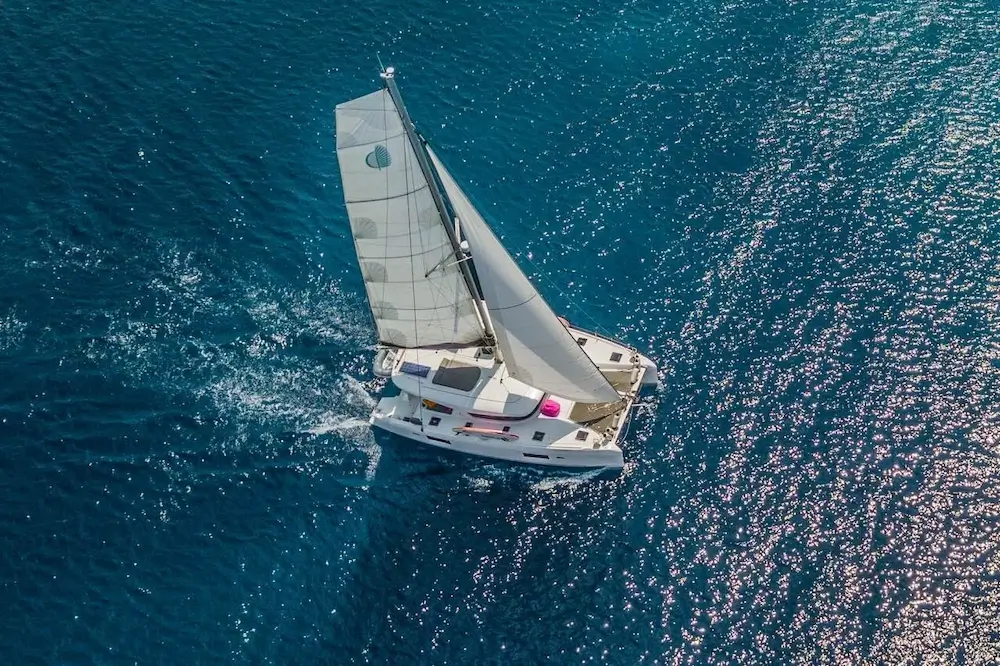
Clear skies, moderate wave heights, and steady winds are the hallmarks of ideal sailing weather. Such conditions are usually available in Istria throughout late spring to early autumn, with July and August being the busiest months for sailing. The Maestral offers a consistent breeze during these months that makes sailing more enjoyable without being too taxing on sailors.
Weather Conditions For Sailing In Istria 3
When is sailing not possible due to wind?
Winds faster than twenty knots can become dangerous for inexperienced sailors, particularly in an area where gusts are erratic, as with the Bora wind. It’s critical to keep an eye on weather forecasts and modify your sailing plans as necessary to maintain safety as the primary concern.
This first look at Istria’s sailing conditions paves the way for a more in-depth discussion on how to get ready for your sailing trip, including guidance on packing, provisioning, and navigating Istria’s coastal locations.
Getting Ready and Stocked for Your Istrian Boat Trip
Important Equipment and Packing Advice
Having the appropriate equipment can make a big difference when sailing in Istria. Longer trips can be more comfortable if you wear lightweight, water-resistant clothes and wear specialised sailing gloves to protect your hands from the elements. Remember to bring sun protection: hats, UV-blocking sunglasses, and high-SPF sunscreen are essential in the Adriatic heat.
Supply Chain Management Expertise
A well-stocked yacht guarantees a seamless sailing experience devoid of needless disruptions. Start with the necessities, like as non-perishable food products that can survive the journey without refrigeration and water, which is crucial for staying hydrated in the sun. Istrian markets offer fresh local goods that will let you sample the flavours of the area. Comprehensive provisioning advice will help you prepare even more efficiently and guarantee that you have all you need for your gastronomic escapades at sea. Exploring how to provision for a bareboat charter can yield more insightful information.
Weather Conditions For Sailing In Istria 4
Getting Around Istria’s Coastal Attractions
A distinct window into Croatia’s maritime history and breathtaking scenery can be found at each of the gorgeous villages, remote coves, and historic landmarks dotting the Istrian Peninsula. Including these locations on your itinerary can enhance your sailing vacation by offering a unique combination of leisure, exploration, and cultural exposure.
Pula: An Opening to the History
Pula is renowned for its remarkably intact Roman amphitheatre, which acts as a historical portal transporting visitors back in time. Aside from providing quick access to this historic wonder, anchoring close to Pula puts you in the middle of bustling restaurants and charming local markets—ideal locations for a stroll in the evening after a day at sea.
Rovinj: The Adriatic Jewel
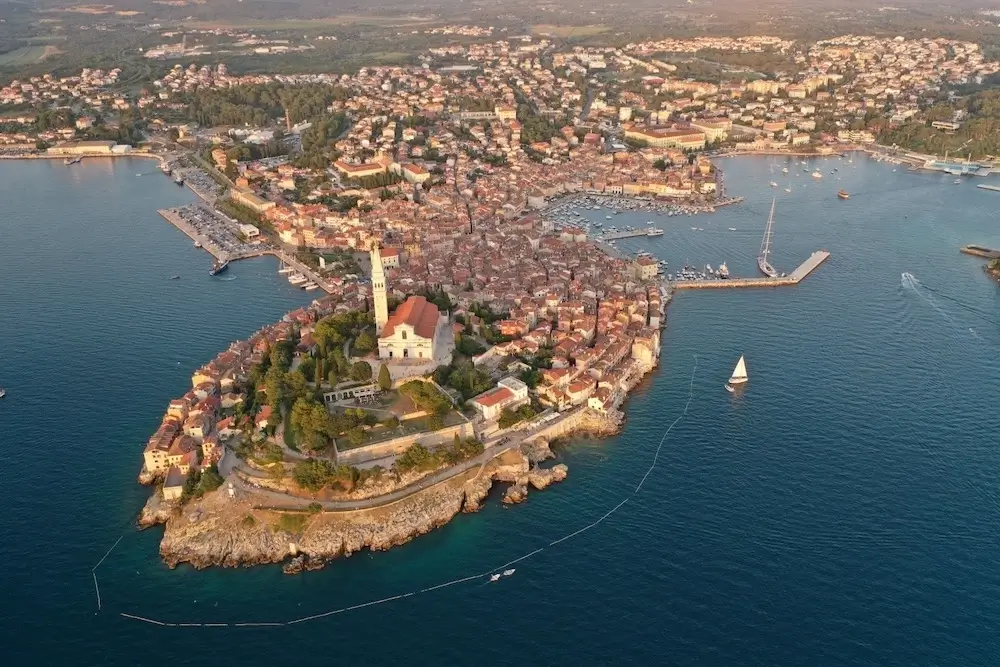
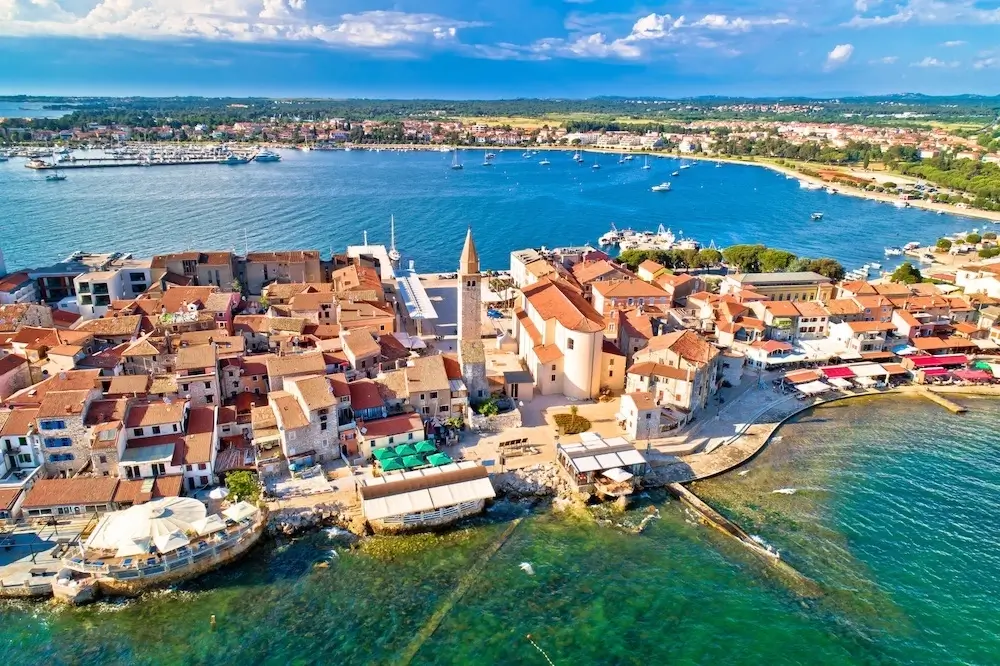
Any schedule for sailing the Istrian coast must include a stop at Rovinj, with its quaint ancient town and busy harbour. The town’s winding cobblestone lanes, dotted with cafes and artisan stores, lead to breathtaking vantage spots over the Adriatic. Sailors can enjoy peaceful anchorages and a chance to get a taste of the native way of life in Rovinj.
The Brijuni Islands: A Sanctuary of Nature
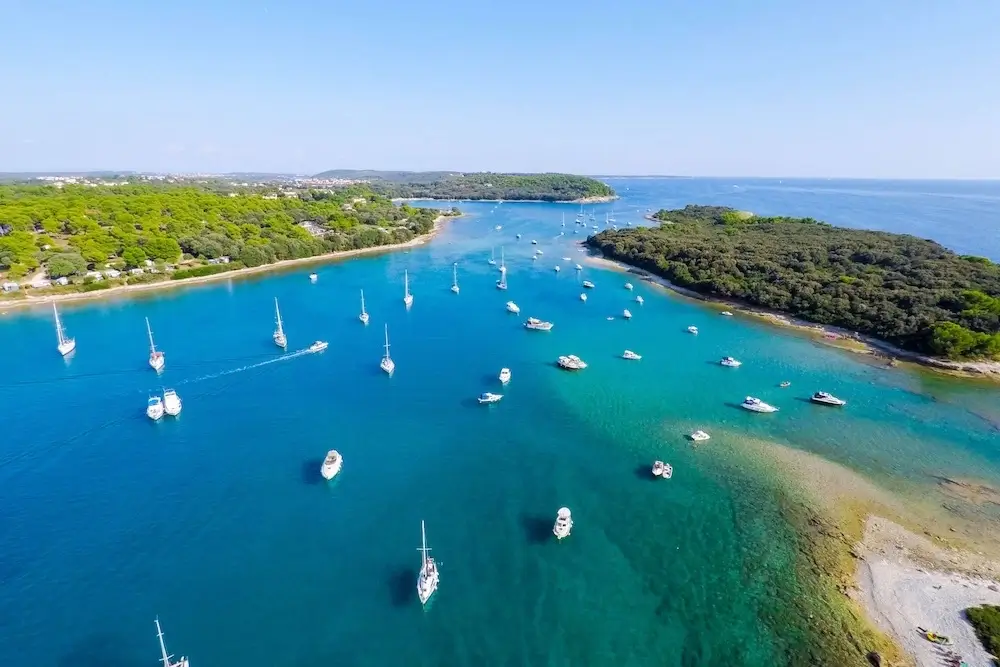
The Brijuni Islands, a national park renowned for its pristine natural beauty and historical significance, are only a short sail from the mainland. Discovering these islands offers a tranquil getaway with chances for swimming in crystal-clear waters, hiking, and wildlife viewing.
Weather Conditions For Sailing In Istria 5
Lim Bay: The Natural Wonder of Istria
As you approach Lim Bay, you’ll see a fjord-like cove encircled by verdant hillsides. The bay, well-known for its oyster and mussel farms, is a great place to try some of Istria’s freshest seafood, right off the boat and onto your plate.
Changing with the Weather
Although the weather in Istria is normally good for sailing, things can change quickly. A safe and pleasurable journey depends on keeping up with the most recent weather forecasts and being ready to modify your plans as needed. Being adaptable is essential for safe navigation, whether you’re looking to take advantage of a mild Maestral breeze or seek cover from an unexpected Bora wind.
Finishing Off Your Istrian Yacht Adventure
Easy Check-Out Procedure
A careful examination of the boat to make sure it is returned in the same condition as when you embarked is the first step in guaranteeing a seamless check-out procedure. This covers replenishing any depleted supplies as well as refuelling. Additionally, it’s a chance for you to discuss your experience with your charter company and offer suggestions for improving the service for other sailors.
Resolving Extra Charges
Be ready to pay for any extras that come up during your charter, such gasoline, marina fees, or replacement costs for any lost or broken gear. You can more efficiently plan your vacation budget if you are aware of these possible expenses from the outset.
Weather Conditions For Sailing In Istria 6
Maintaining Your Memories of Sailing
Seizing the Opportunity
You probably have a tonne of pictures, videos, and anecdotes from your charter. Not only may digital albums and trip blogs help you to retain your experiences, but they can also encourage others to take off on their own sailing journeys. You can meet people who share your interests by sharing your experiences on social media or in sailing forums.
Thinking Back and Acquiring Knowledge
Every sailing excursion presents a multitude of educational opportunities. Think back on the things you’ve learned about living at sea, leading a crew, and navigating. Think on what worked and what may be done better the next time. This introspection is a great way to grow as a person and improve your sailing abilities.
Organising Your Upcoming Boat Trip
The Allure of Unknown Seas
It’s never too early to begin organising your next sailing adventure if the sea has won your heart. Maybe there are some areas of Istria you would like to visit more, or maybe there are other parts of Croatia that beckon. You may choose from a greater variety of yachts and dates if you book in advance, particularly for well-liked locations.
Developing Your Yachting Ability
Think about enrolling in more sailing classes or earning more credentials. This will not only increase your proficiency and self-assurance on the water, but it will also lead to new places for your future charters, which will require more sophisticated navigational skills.
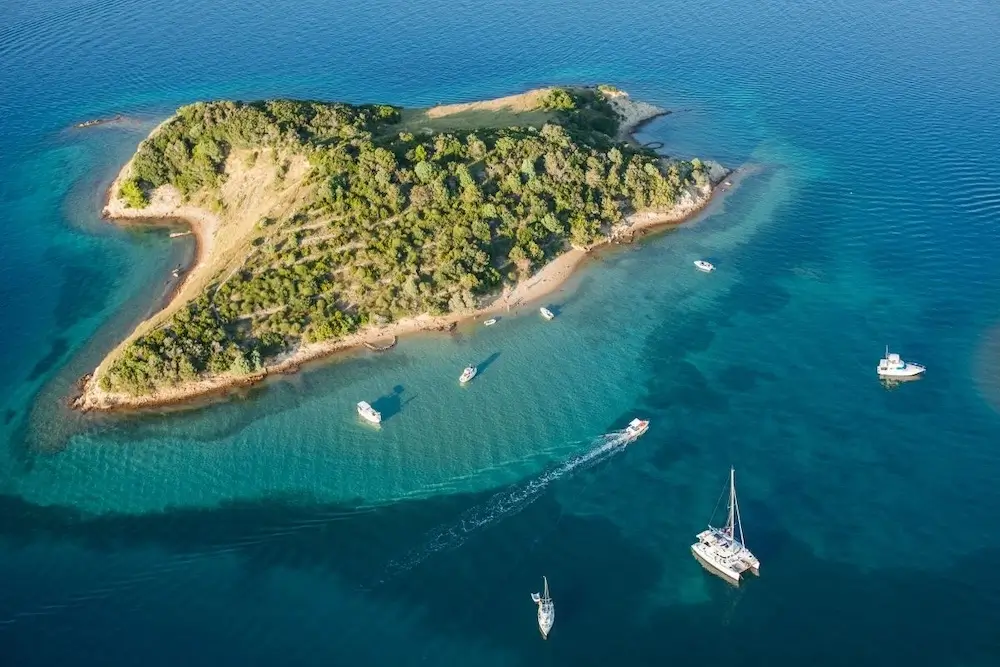
Weather Conditions For Sailing In Istria 7
Enrolling in a Community or Sailing Club
Joining a sailing club or community can afford you ongoing opportunity to sail, educate yourself, and socialise with like-minded people. It’s a means to maintain the spirit of exploration even when you’re not near water.
In summary
In Istria, a bareboat charter is more than simply a trip; it’s an exploration of Croatia’s maritime history, complete with stunning scenery, vibrant local culture, and life-changing events. Remember that the sea is an everlasting source of wonder, ready to reveal its mysteries to those who seek them out, when you come to the end of your journey and look to the horizon for your next adventure. Continue to be curious and let the wind lead you to your next exciting sailing adventure.