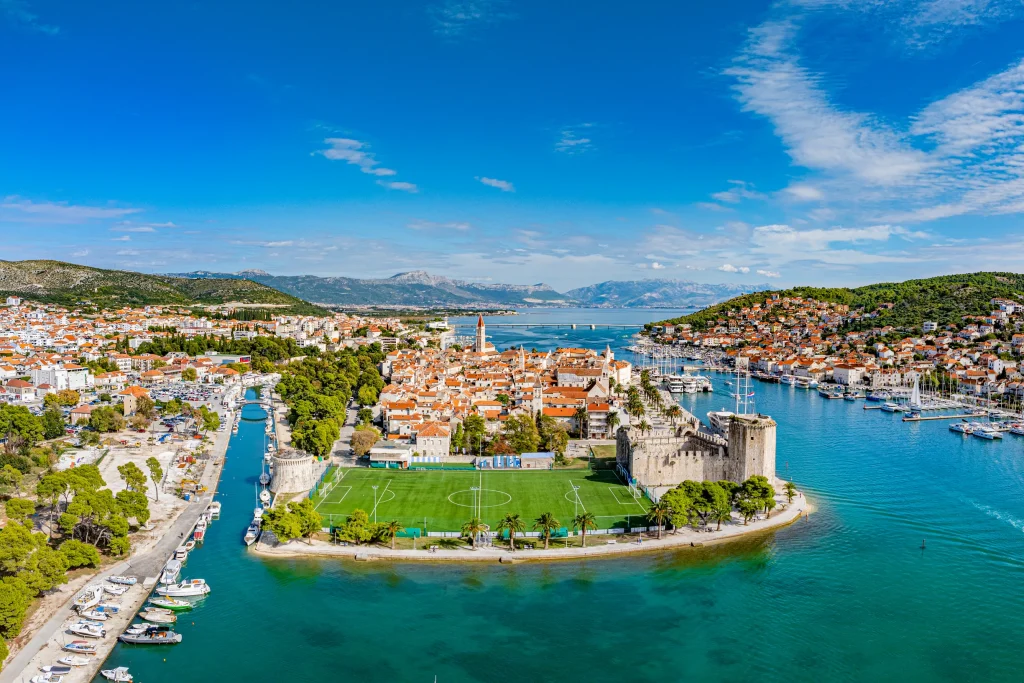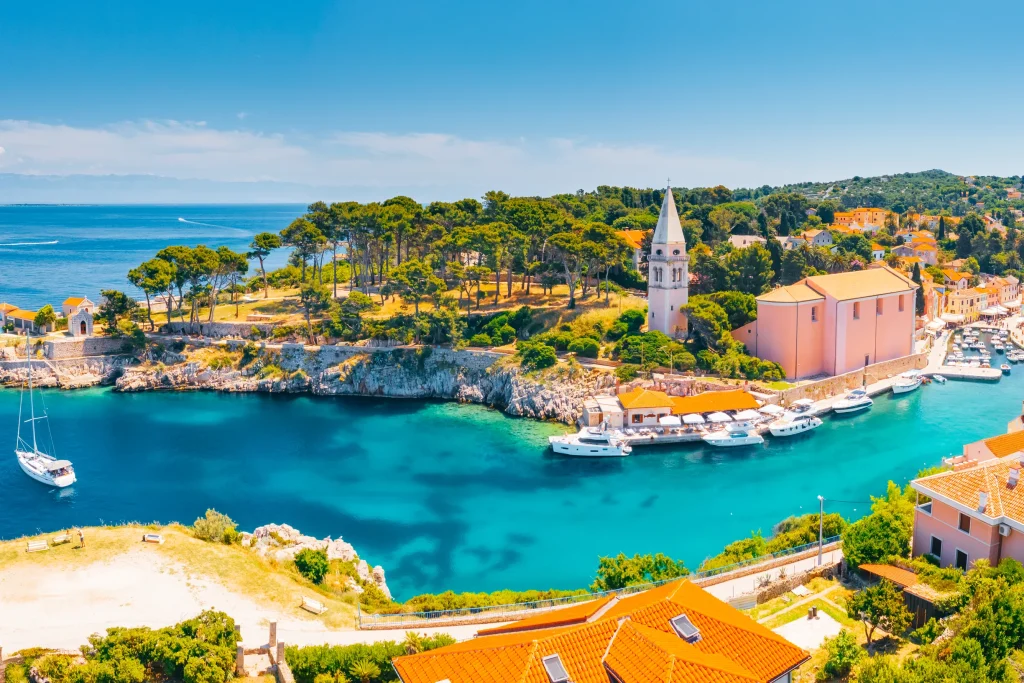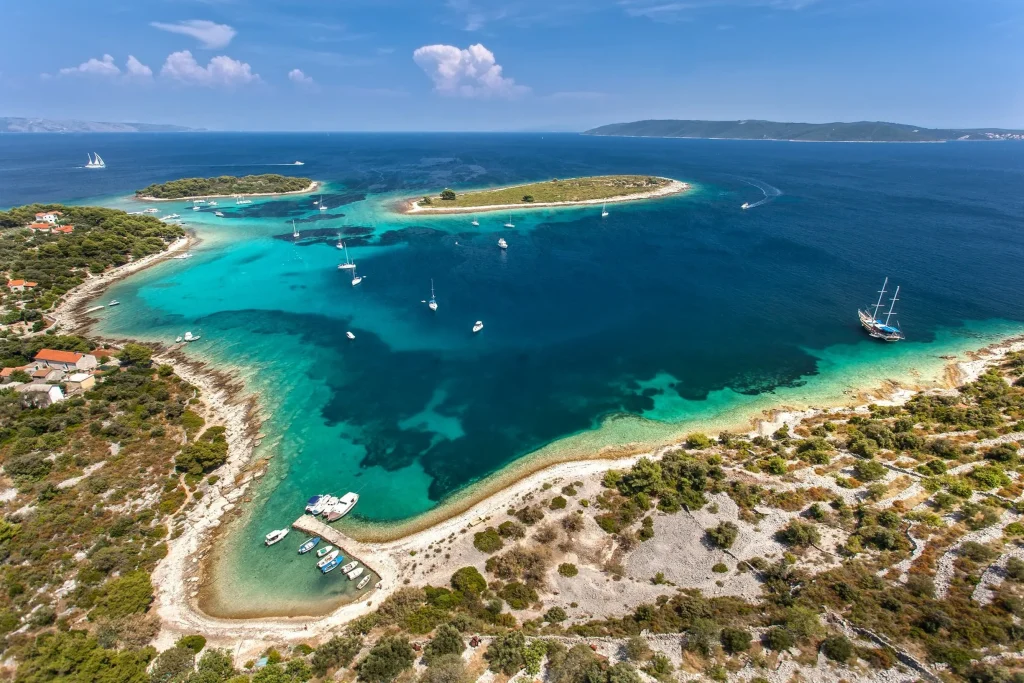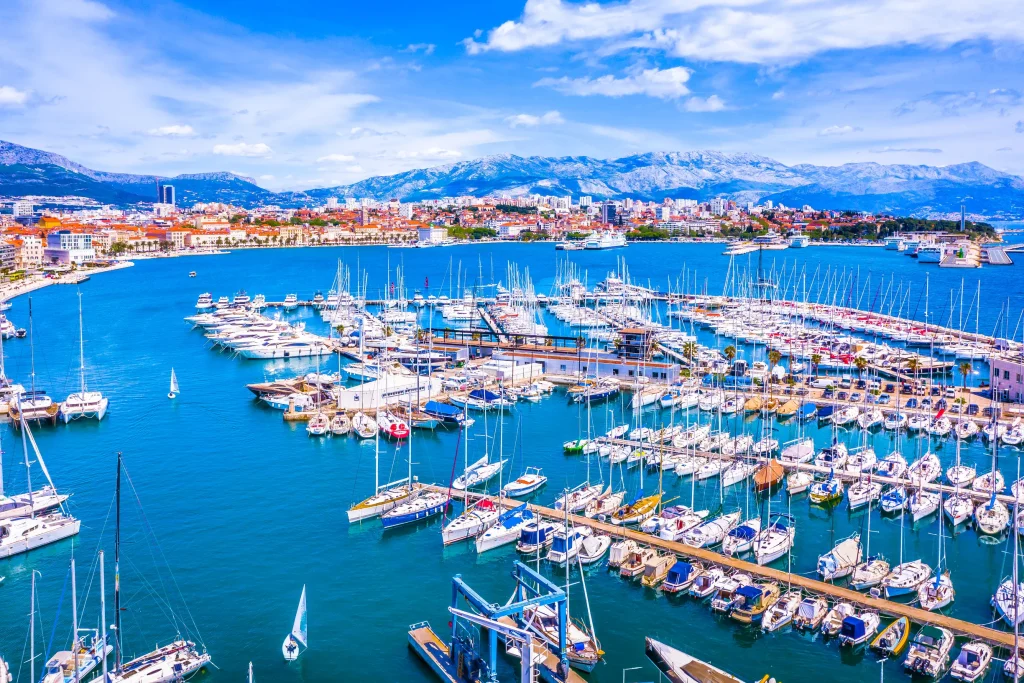
Split, Trogir or Šibenik? Picking Your Catamaran Base for 2027
Split, Trogir or Šibenik? A practical comparison of Croatia’s three central catamaran bases on transfers, berths and the routes each one opens up.
Read more
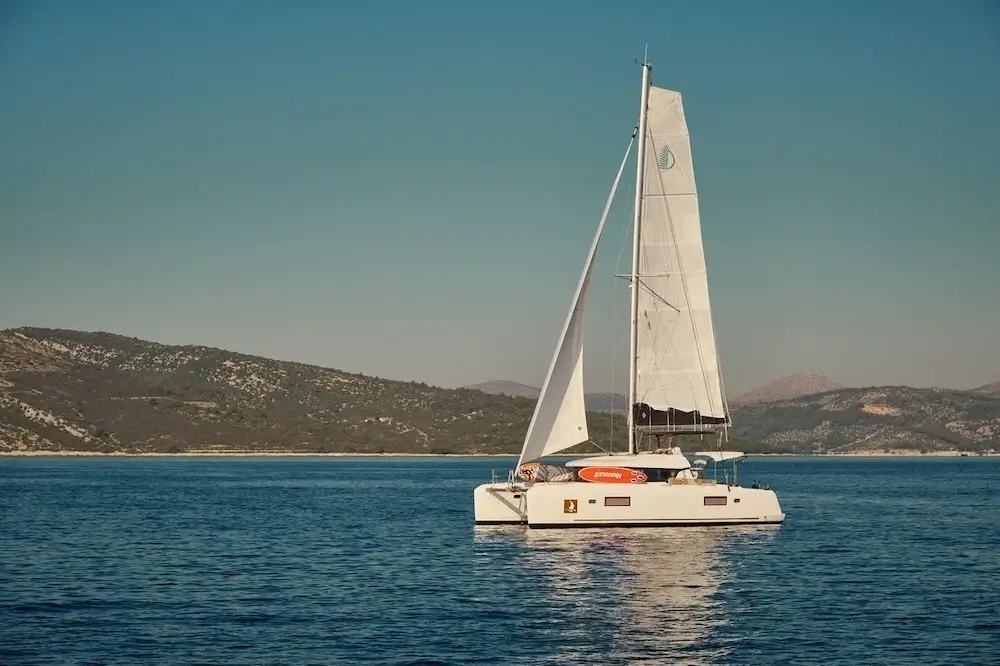
You want clear dates. You want honest trade-offs. You want routes, wind logic, and booking timing that saves stress. I run weekly turnarounds in ACI Split, D-Marin Kaštela, ACI Šibenik, ACI Zadar, and ACI Dubrovnik. Below is a straight, local guide to peak weeks and the smart windows around them.
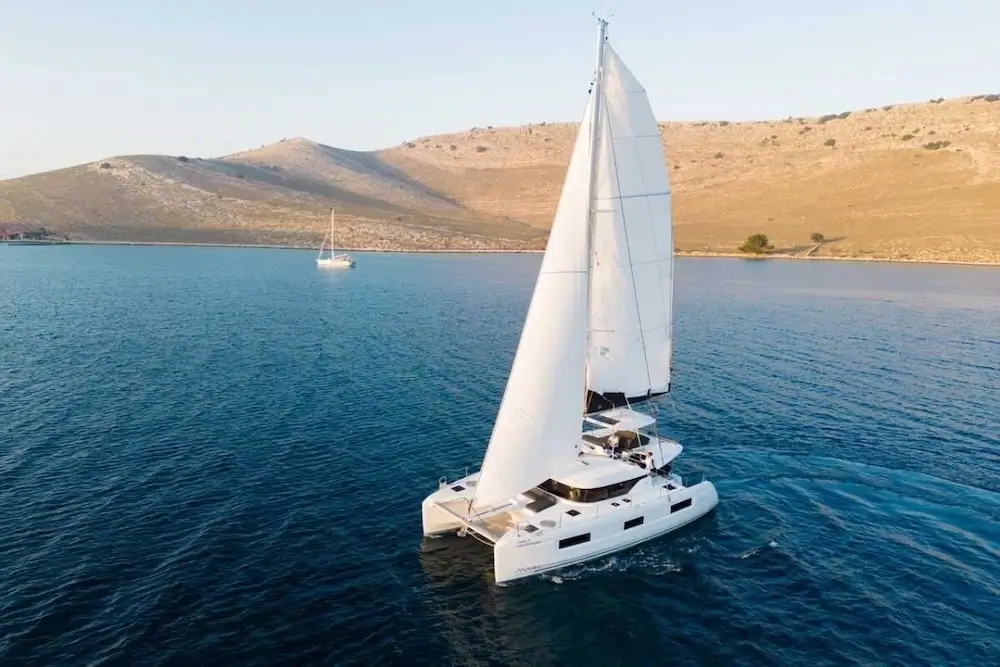
Peak runs from the last week of June to the last week of August. Warm seas, long daylight, school holidays, and stable patterns drive demand and prices.
Families lock dates early. Friends’ groups chase beach clubs and late nights. Service teams scale up across bases.
April to mid June gives value, space, and cooler air. Towns feel calm. Water warms from mid May. Winds sit lighter in April, then settle into a steady thermal rhythm through June.
Plan dates with this overview: Best time to charter in Croatia.
What Is The Peak Season For Sailing In Croatia 2
Early September to late October keeps warm seas from summer. Breezes stay steady. Nights grow quieter. Prices soften. Many crews pick September for comfort and flow. October suits sailors who enjoy empty bays and open restaurant tables.
Three names cover most days.
Daily patterns for Central Dalmatia sit here: Weather in Split area.
Use these typical ranges as planning guides.
Plan berthing by midday. Send a tender for table reservations when close to anchor.
Layout choices and cabin priority matter. Use this selector before you send a deposit: How to choose the right catamaran.
What Is The Peak Season For Sailing In Croatia 8
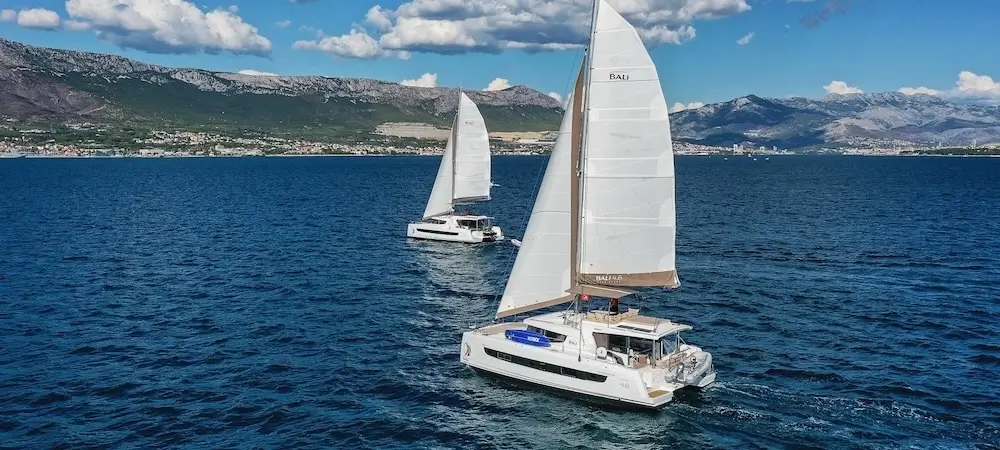
If you prefer skipper-run weeks with simple onboard service, see Skippered charter options. For hotel-style weeks with chef and hostess, review Crewed catamaran charters.
Board Saturday from 17:00 at ACI Split, D-Marin Kaštela, or SCT Trogir. Handover closes by 19:00. Distances below sit in nautical miles. Time on water assumes 6–8 knots.
Why spring works
Cooler air, light crowds, strong cultural stops, early flowers on walks.
Day 1. Split to Šešula, Šolta
12 NM. 1.5–2.5 hours. First swim and safety brief on anchor.
Day 2. Šolta to ACI Palmižana, Pakleni
20 NM. 3 hours. Tender to Hvar Town. Quiet lanes in May.
Day 3. Palmižana to Stari Grad
10 NM. 1.5–2 hours. Long quay walk. Olive oil tastings inland.
Day 4. Stari Grad to Vis Town
18 NM. 3 hours. Walk to Fort George for sunset.
Day 5. Vis Town to Lučice, Brač
24 NM. 3.5–4.5 hours. Sand pockets. Clear water.
Day 6. Lučice to Milna
6 NM. Fuel, bakery, and lazy lunch.
Day 7. Milna to Split
14 NM. Early fuel then short return.
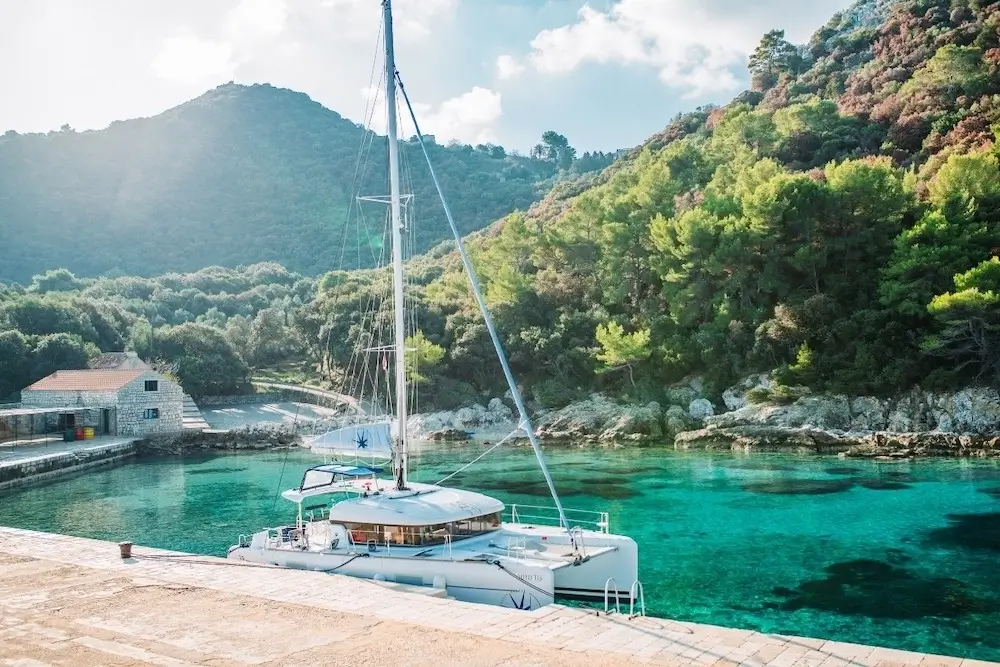
Area ideas and shortlists live here: Split catamaran charters.
What Is The Peak Season For Sailing In Croatia 3
Why summer fits here
Park moorings, clear water, and a steady thermal. Crowd flows spread across many buoys.
Day 1. ACI Šibenik to Skradin
10 NM upriver. Waterfall visit. Night on a calm berth.
Day 2. Skradin to Žut
28 NM. 4–5 hours. Set up park permits.
Day 3. Žut to Kornati moorings
12 NM. Ridge walks and sunset photos.
Day 4. Kornati to Telašćica
8–10 NM. Cliffs and lake visit.
Day 5. Telašćica to Vrgada or Murter
18–22 NM. Lunch swim and dinner ashore.
Day 6. Murter to Zlarin
15 NM. Quiet village and pine shade.
Day 7. Zlarin to Šibenik
6 NM. Early fuel and river glide.
Route notes plus permit rhythm sit in Šibenik and Kornati route.
Why autumn shines here
Warm seas hold into October. Short hops link bays and walled towns. Sunset light turns golden.
Day 1. ACI Dubrovnik to Koločep
8 NM. Cliff swim and calm night.
Day 2. Koločep to Šunj, Lopud
6 NM. Shallow beach apron. Great for kids.
Day 3. Lopud to Šipan
10 NM. Dinner on the quay.
Day 4. Šipan to Pomena, Mljet
18 NM. Park kiosk for tickets. Lakes by bike or on foot.
Day 5. Pomena to Polače
6 NM. High ridges block wind. Quiet water.
Day 6. Polače to Korčula Town
24 NM. Channel breeze. Old Town walk.
Day 7. Korčula to ACI Dubrovnik
Longer return with an early start. Stage through Šipan if preferred.
South area primers sit here: Dubrovnik catamaran charters.
Thermals blow clean across outer islands. Sand shelf days suit families.
Route idea
North options and fuel docks sit in Zadar catamaran charters.
Plan moorings with a skipper if you want zero stress. Compare formats later in this guide.
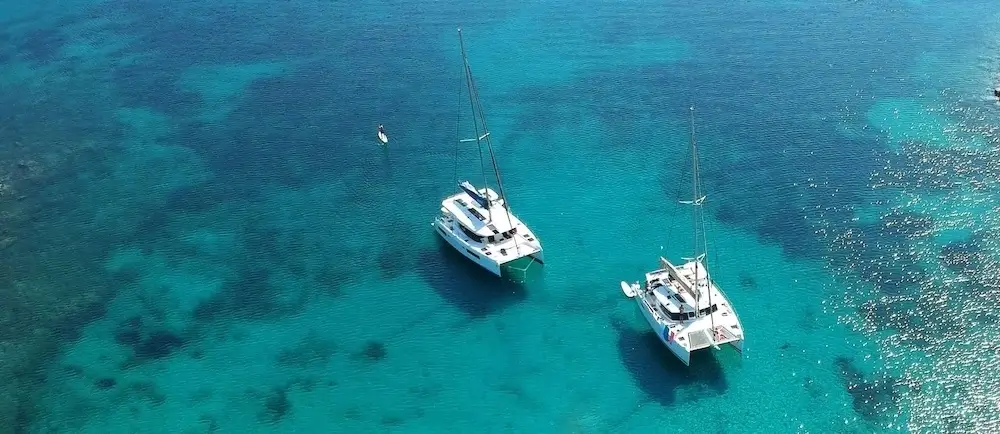
What Is The Peak Season For Sailing In Croatia 4
A detailed park primer sits in the Kornati route guide.
Route flavor appears here: Elaphiti route guide.
Skippered charter suits groups who enjoy dinners ashore and simple breakfasts onboard. Fewer hands on service, more budget for restaurant nights. Read format details under Skippered charter options.
Fully crewed catamaran adds chef, hostess, and often a deckhand. Hotel-style flow. Parents relax while crew runs tender moves and table service. Service scope and pricing logic sit in Crewed catamaran charters.
Bareboat weeks require a recognized skipper license plus a radio card. Originals sit on the nav desk for harbor master checks. Full acceptance notes live here: Bareboat requirements in Croatia and this VHF certificate guide.
No license needed for skippered or fully crewed formats.
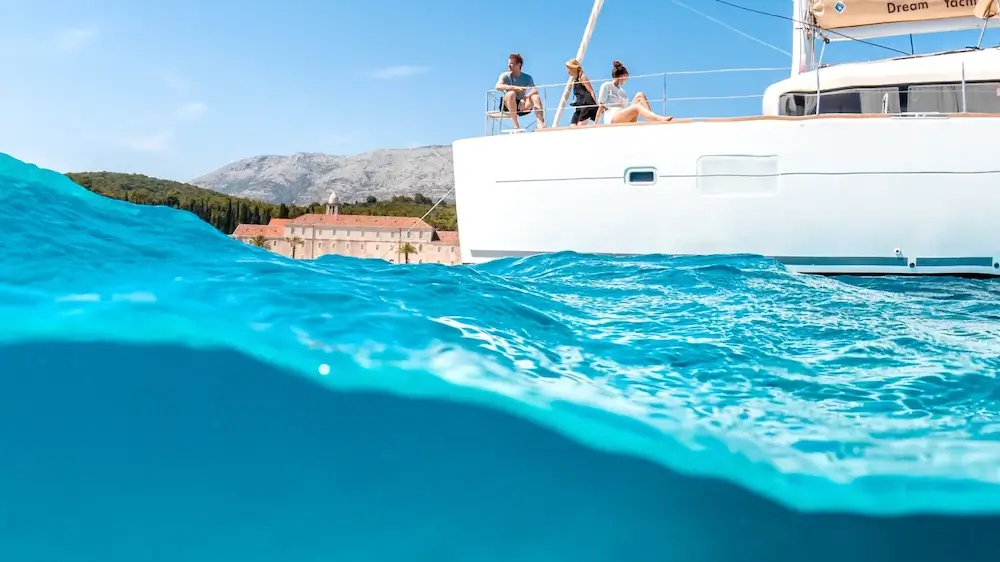
What Is The Peak Season For Sailing In Croatia 5
Menu and shopping help sits in the Provisioning guide.
Inclusions and extras sit line by line here: What is included in the rental agreement. Gratuity customs sit here: Tipping in Croatia.
Equal cabins reduce tension. A flybridge adds shade and airflow. A generator supports air-con during overnight heat. Balance size, year, and budget with this helper page: How to choose the right catamaran.
If you prefer space and value with warm water, look at June and September rather than late July or early August.
April
Cool air, light crowds, cultural focus. Shorter days. Good for sailors with layers in the bag.
May
Blooming hillsides, growing thermals, sea warming. Value strong, routes wide open.
June
Warm air, settled thermals, swimming daily. Crowds build after mid month.
July
Peak. Book berths early and arrive by early afternoon. Water well-suited for long swims.
August
Peak. Warm nights, busy quays, high energy. Plan quiet coves one bay from hotspots.
September
Warm seas, lighter lines, steady breeze. Many crews rate this as sweet spot.
October
Soft light, empty bays, cultural stops. Air cooler at night. Great for food lovers.
Explore service style pages or send dates to lock options:
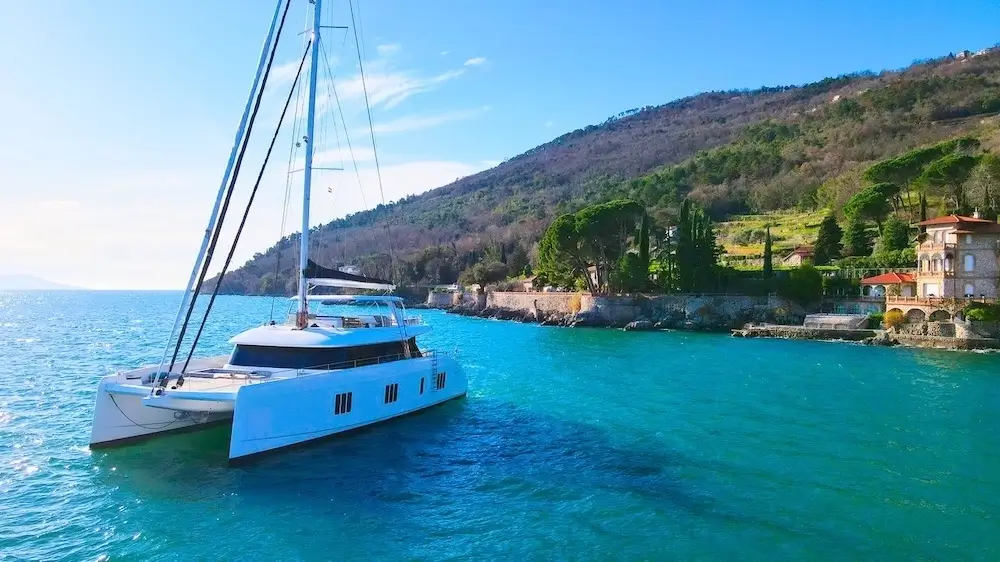
What Is The Peak Season For Sailing In Croatia 7
Ready to start planning? Browse our catamaran fleet to compare layouts, pricing, and availability for your dates.
Which weeks sit inside peak
From the last week of June through the last week of August.
Which month balances warm seas and fewer lines
June and September.
How early should I book for peak
Nine to twelve months secures layout, base, and skipper choice.
Are permits needed for parks
Yes for Kornati, Telašćica, and Mljet. Rangers check near sunset.
Do marinas hold spots without notice
During peak, call ahead by midday. Arrive early.
What time does boarding start
We open boats from 17:00 on Saturday. Briefing finishes by 19:00.
How long are daily legs on a typical week
Two to four hours of movement with a lunch swim in the middle.
Where do I see daily wind rhythm for Split
Use the local brief here: Weather in Split area.
Share dates, headcount, base, and service level. I will reply with a short list of live yachts, clear prices, and a route sketch that fits your week. Support runs from first call to Friday refuel.
This guide was prepared by the Catamaran Charter Croatia editorial team — a group of charter brokers and sailors who have been organizing yacht charters in Croatia since 2013. Every itinerary, marina, and pricing range described here reflects current first-hand fleet experience and direct partnership with licensed charter agencies. Last reviewed: May 2026.
If a detail looks out of date, write us at www.catamaran-croatia-charter.com/contact — we update guides quarterly.