Bali 4.4 Review for Croatia Charter: Space King or Compromise?
A charter-focused Bali 4.4 review: space, cabins, the tilting garage door and honest Adriatic sailing performance, plus who should pick it.
Read more
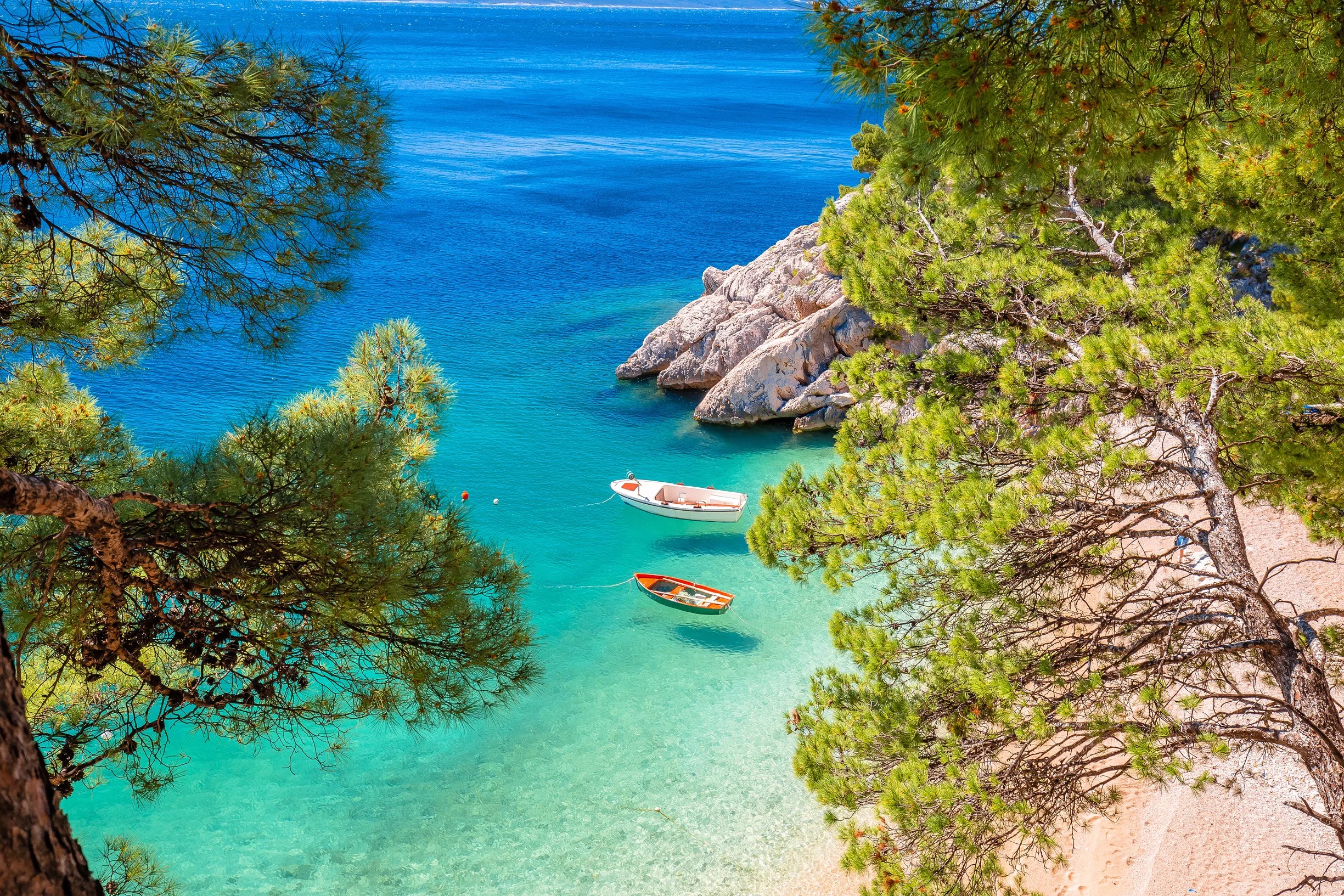
Charter pricing in Croatia is not a smooth curve, it is a set of steps. The boat that costs €4,200 in late June can be €7,500 in the first week of August and back down near €4,000 by the third week of September, all for the same catamaran. Once you understand how croatia charter season prices are built from A, B and C bands, finding the cheapest week that is still warm enough to swim stops being guesswork.
The short answer to “which weeks are cheapest to charter a catamaran in Croatia?” is the shoulder weeks where the price band drops a tier but the sea temperature has not. In practice that means mid-June and early to mid-September. This piece decodes the banding system, overlays it with water temperature, and points to the value weeks where you pay less without giving up the swimming.
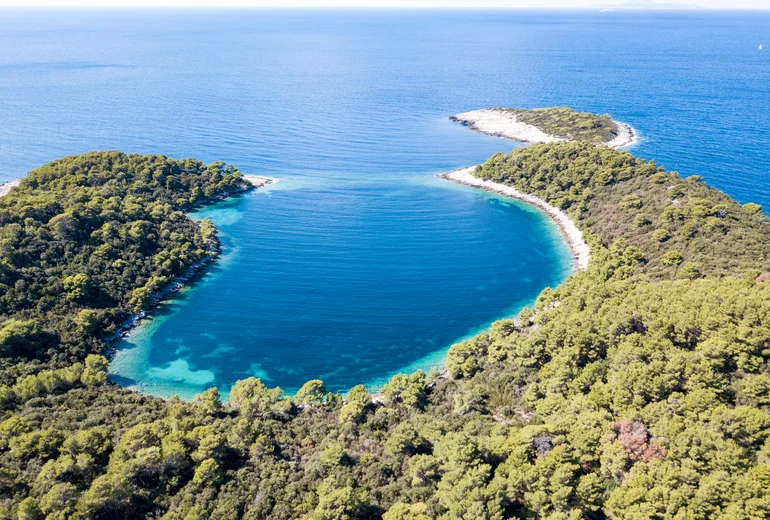
Croatia charter season prices almost always start from named seasons: most fleets divide the year into three to five tiers labelled something like extra-low, low, mid, high and peak, or simply A, B, C and so on. Each tier carries a fixed weekly rate per boat, and the calendar is split into Saturday-to-Saturday weeks that fall into one band or another. The jumps between bands are the whole story: moving one week earlier or later can cross a band boundary and change the price by 20–40 percent for an identical boat.
The bands cluster around school holidays and weather. Peak is roughly mid-July to mid-August, when northern European and Croatian school holidays overlap. The mid bands wrap around it in late June, early July and the back half of August. The low and shoulder bands sit in early June and September. We map the full euro figures by boat size in our detailed breakdown of catamaran charter prices in Croatia for 2026, which is the companion table to this band logic.
Here is the shape of a typical year for a mid-size charter catamaran, expressed as a percentage of the peak week so it works whatever the absolute rate:
The single most useful number on that list is the gap between high and shoulder: dropping from late August into early September can save you a quarter to a third of the charter fee. The catch, of course, is whether the water has cooled by the time the price has.
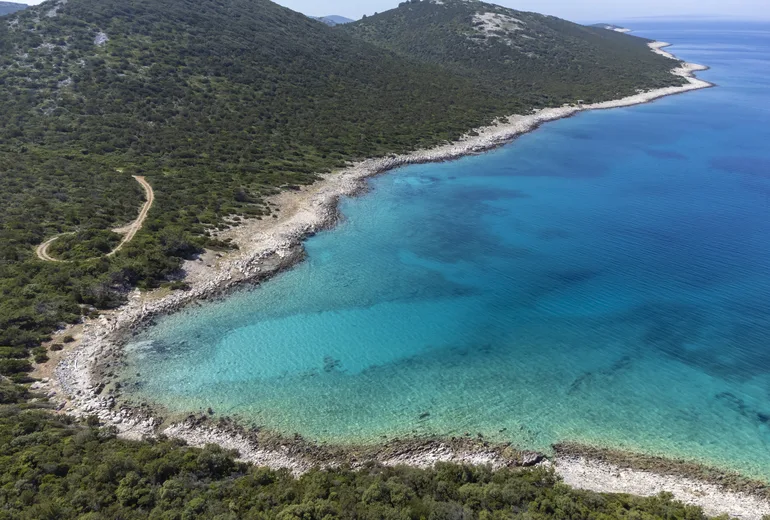
Air temperature drops faster than the sea. The Adriatic warms slowly through spring and holds its heat well into autumn, so the water lags the calendar by weeks. In practice the sea is around 22–24°C through July and August, still 22–23°C in the first half of September, and only sliding toward 20°C by late September. June starts cooler, climbing from roughly 20°C early in the month to 23°C by the end.
Lay that against the price bands and two windows light up. Early September water is essentially August-warm while the price has dropped a full band, the best single value the season offers. Mid-June is the spring equivalent: the sea has reached comfortable swimming temperature but peak pricing has not arrived. Our companion guide on sea temperature in Croatia and the best time to swim tracks the month-by-month numbers if you want to pin a specific week.
Putting price and water together, the weeks that consistently offer the most for the least are:
If your trip is more about the boat and the islands than the swimming, late May and the back end of September stretch the budget furthest. We compare those trade-offs in detail in our look at the best time to sail in Croatia.
Worth saying plainly: the calendar is not symmetrical. June and September can carry the same charter rate on paper, but the water is noticeably warmer in September, so the autumn shoulder usually beats the spring one for a swimming-focused week. The flip side is daylight, June gives you the longest evenings of the year, which matters if you want late dinners ashore and long afternoon sails. Weigh which you value more before you pick a side of the season.
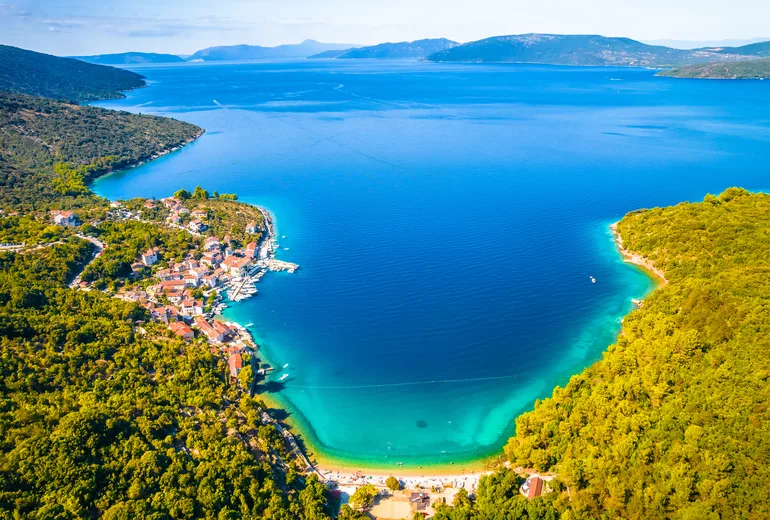
The weekly charter fee is the biggest lever but not the only one. Marina berths in Hvar, Korčula and the busy ACI marinas can double in price between June and August, and many require advance reservation in peak weeks, so a shoulder-season trip saves on berths as well as the boat. Fuel and provisioning prices are roughly flat across the season, but restaurant and konoba menus often shift to peak pricing in July and August too.
One more variable: early-booking discounts. Most fleets reward committing early with 10–25 percent off, and those discounts stack on top of the seasonal band. Booking a shoulder week early is how you reach the genuine bottom of the price range. Our guide to booking your 2027 catamaran early for the best early-bird discounts lays out the typical discount calendar and deadlines.
Work it in two passes. First, decide your non-negotiable: warm swimming, lowest price, or fewest crowds. If swimming wins, target early September or mid-June. If price wins outright and you will sail more than swim, look at late May or late September. If crowds are the deal-breaker, any shoulder week beats July and August by a wide margin.
Then check the band boundaries on your shortlisted fleet’s price list and nudge your dates to land on the cheaper side of a step, even shifting by a single Saturday can drop you a full tier. Most crews find that one small calendar adjustment, made before they fall in love with a specific boat, is worth more than any haggling later.
The cheapest weeks with water still warm enough to swim are mid-June and early-to-mid September, where the price band drops below peak but the sea stays around 22–23°C. Late May and late September are cheaper still if you care more about sailing than swimming.
Moving from a peak August week to early September typically cuts the charter fee by a quarter to a third for the same boat, and you save again on marina berths, which can halve in price outside July and August.
Yes. The Adriatic holds its summer heat well, so the first half of September is usually 22–23°C, essentially as warm as August. The water only begins cooling noticeably toward the end of the month.
Fleets split the year into seasonal tiers, each with a fixed weekly rate, and the calendar falls into Saturday-to-Saturday weeks within those tiers. The jumps between bands are large, so shifting your dates by one week can change the price 20–40 percent for an identical boat.
Yes, and it is the surest way to reach the bottom of the price range. Early-booking discounts of 10–25 percent stack on top of the lower shoulder-season band, so a value week booked far ahead is the cheapest a given boat will be.
Found your ideal value week? Check live availability and current season rates across the Croatian catamaran charter destinations and lock in a shoulder-season boat before the early-bird window closes.