10–14 Days on a Catamaran: the Whole Croatian Coast from Zadar to Dubrovnik
A 12–14 day one-way catamaran route down the whole Croatian coast, from the Kornati to the Elaphiti, with pacing and one-way drop-off tips.
Read more
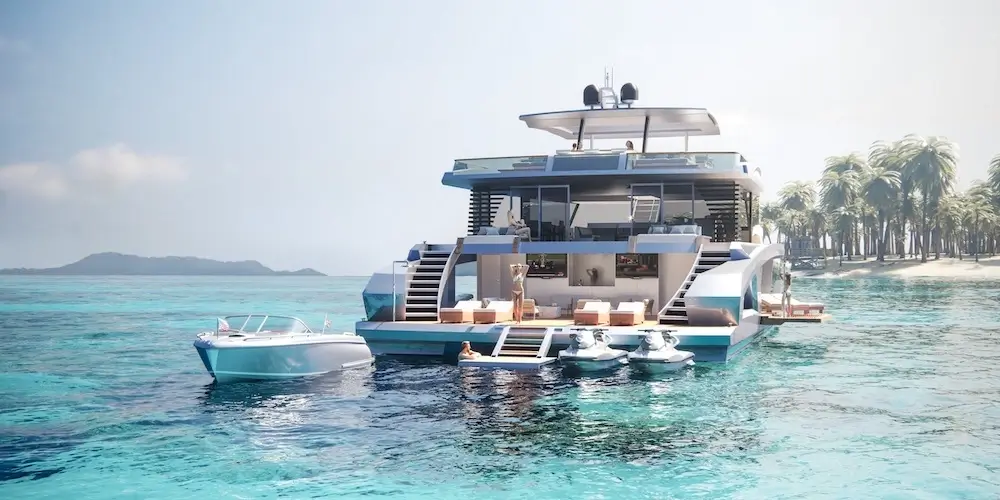
There’s a certain allure that catamarans hold for marine enthusiasts. These double-hulled vessels promise stability, space, and a unique sailing experience. Whether you’re thinking of chartering a skippered catamaran in Croatia or considering purchasing one, it’s essential to look beyond the positives. Let’s unravel the less spoken aspects – the potential downsides of catamarans.
Before diving deep into the negatives, understanding the basic concept of a catamaran is essential. With two parallel hulls, catamarans stand apart from their single-hulled counterparts. This design promises better stability and often more space, but it’s this very structure that leads to some of its downsides.
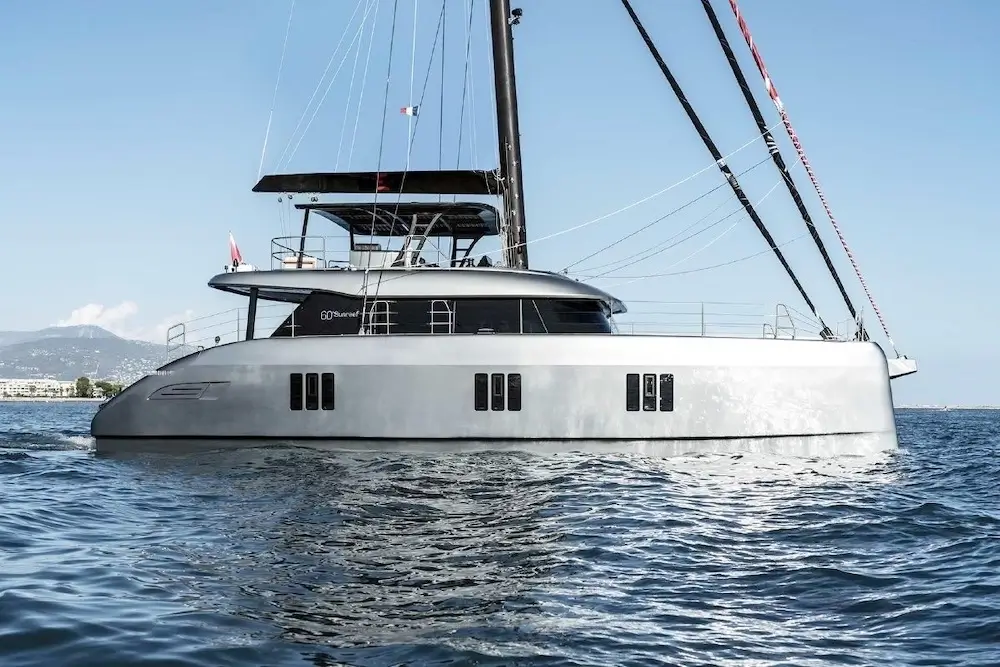
Catamarans’ stability, while being one of its selling points, can be a double-edged sword. The resistance to heeling (leaning) can mean they face the full force of powerful winds, making them vulnerable in severe weather conditions.
What Are The Negatives Of Catamarans 2
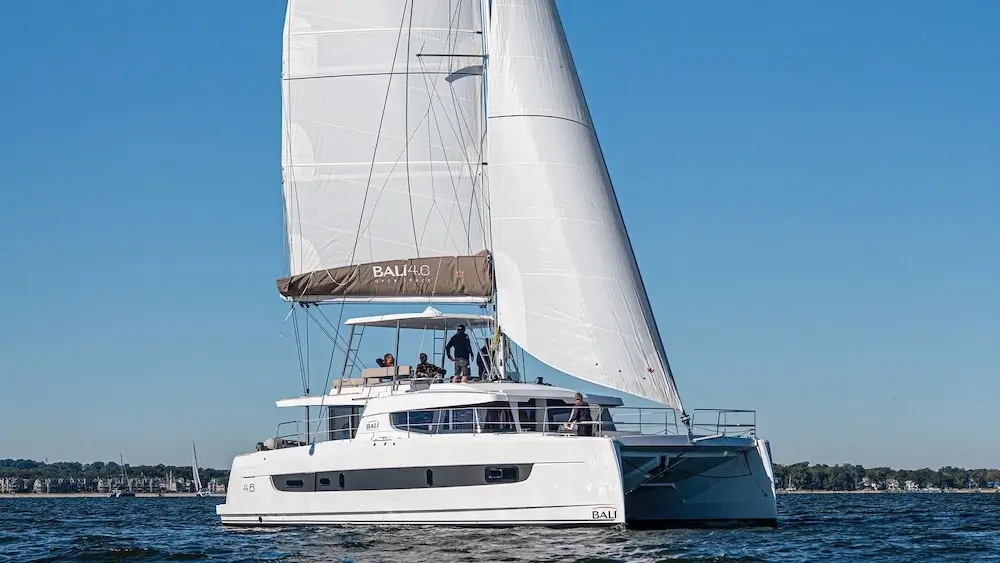
Thanks to their broad width, catamarans require special considerations when docking. Marinas often charge extra for the additional space they occupy, translating to higher berthing costs. Moreover, not all marinas are equipped to handle their width, making it challenging to find suitable docking space.
With the added space comes the temptation to overload. However, catamarans are sensitive to weight. Overloading can hamper performance, slow down the vessel, and even strain the structure.
A catamaran’s wide design can pose challenges in tight spaces. Whether it’s navigating through narrow straits or docking in confined marinas, these vessels demand a higher skill set and attention.
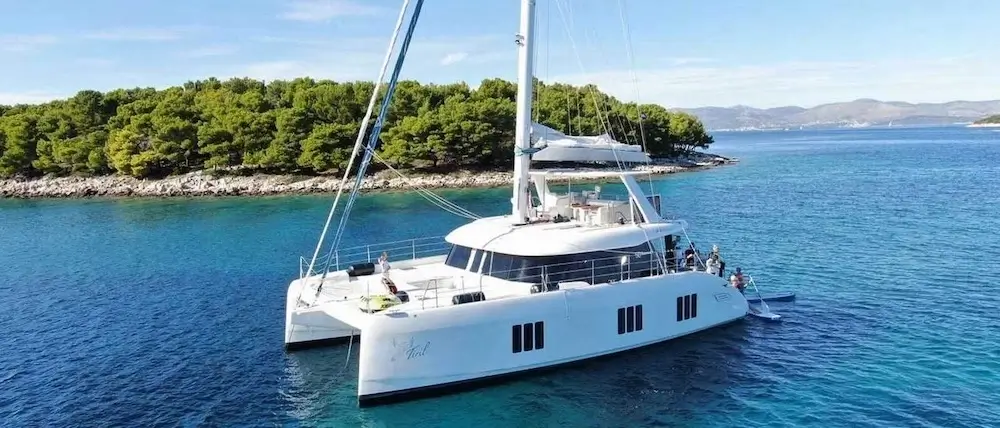
The trampoline area between the two hulls is prone to wave slamming in rough seas. This can result in jarring noises, discomfort for those onboard, and potential damage to the vessel.
What Are The Negatives Of Catamarans 3
Undoubtedly, catamarans come with a heftier price tag compared to monohulls. And while all vessels depreciate, the sheer initial cost of catamarans can make them a significant financial commitment. For those considering rentals, while some companies like Catamaran Charter Croatia promise competitive pricing, the overall chartering cost can still be high.
Two hulls can mean potentially double the maintenance. From addressing wear and tear to repairing damages, upkeep can be more intensive and expensive.
One of the highlights of catamarans is the reduced heeling, giving a more stable experience. However, for pure sailing enthusiasts, this means a less dynamic and exhilarating ride, especially when compared to monohulls.
Due to their wide beam and larger superstructure, catamarans present more surface area to the wind. This can cause problems in high winds, especially when moored, making them harder to manage.
What Are The Negatives Of Catamarans 4
A significant disadvantage of catamarans is their inability to self-right once capsized, unlike monohull sailboats. Although they are more resistant to capsizing, when they do, it’s a major safety concern, especially in open waters.
In specific scenarios, a large side-on wave can pose a risk of flipping a catamaran, a situation far less likely in a monohull.
Want to add a new piece of equipment to your catamaran or upgrade its features? It might be trickier than you think. The design and balance of catamarans can limit retrofitting options. Plus, any additional weight or structural changes need careful consideration to avoid negatively impacting the vessel’s performance.
Custom modifications, while catering to individual preferences, might narrow down potential buyers, making it harder to sell the vessel in the future.
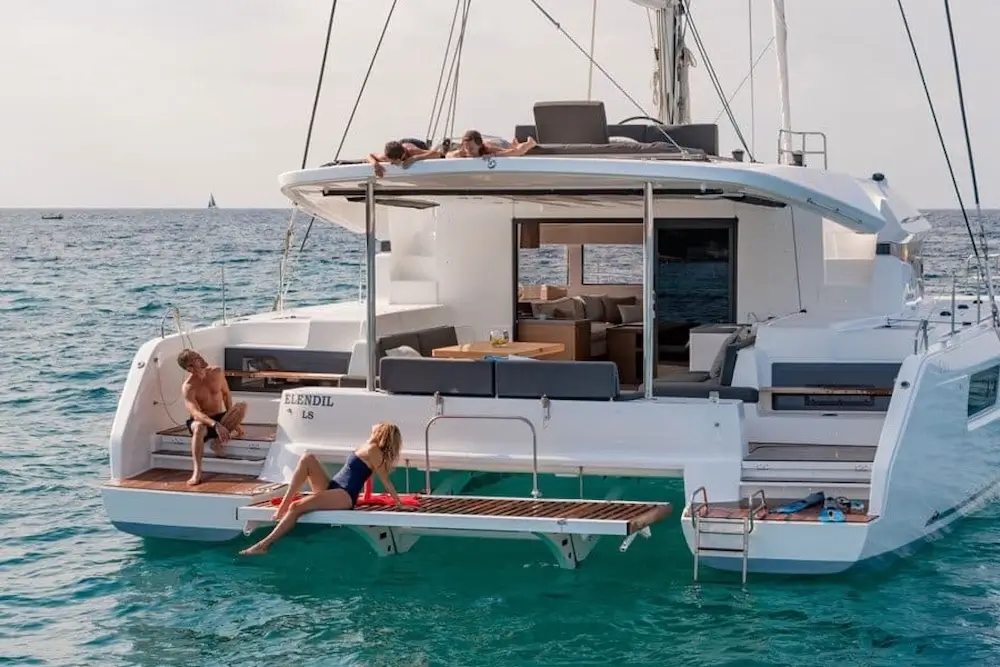
What Are The Negatives Of Catamarans 5
Catamarans, primarily power catamarans, consume more fuel than monohulls, especially at higher speeds. This results in a larger carbon footprint, making them less eco-friendly.
Their larger size requires more space when anchoring, potentially damaging more seabed. It’s crucial to be mindful of where and how you’re anchoring to minimize environmental impact.
Due to their wider beam, catamarans require more space to turn, which can be challenging in tight marinas or crowded anchorages. Maneuvering in confined spaces often requires more skill and experience.
Though catamarans have a shallower draft, which is advantageous in certain situations, it also means they are more susceptible to groundings in unexpected shallow areas.
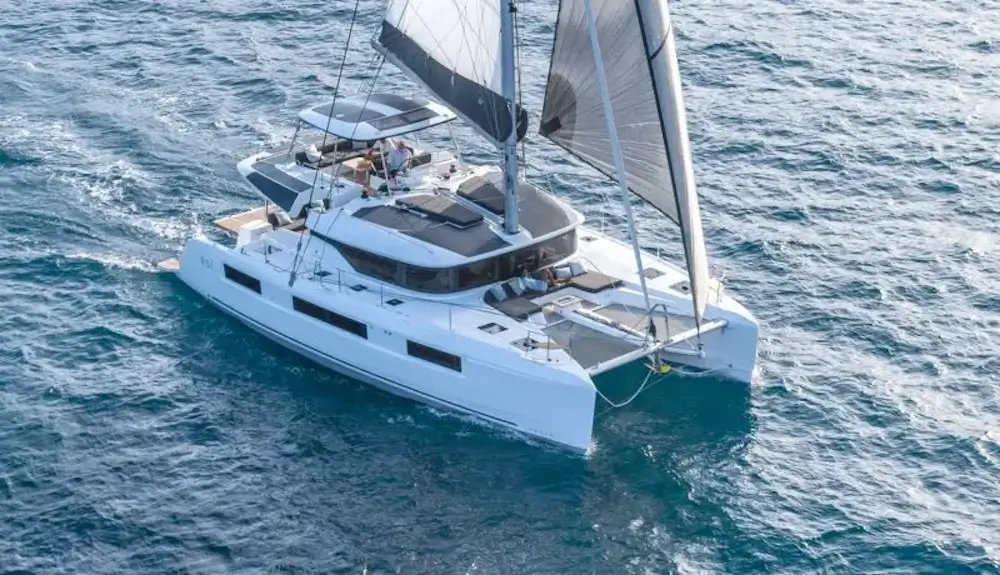
What Are The Negatives Of Catamarans 6
While having two engines provides redundancy, it also means double the maintenance, which can be a negative of catamarans. Costs can add up quickly, especially if you’re sailing in remote areas where parts and expertise might be harder to find.
Certain damages to a catamaran, particularly to its multihull structure, may require specialized expertise, driving up repair costs.
While catamarans are broader, not all of that width translates to usable space. Often, the living areas in catamarans, particularly in the hulls, can feel cramped.
Some sailors find the motion of catamarans, especially in choppy conditions, to be less comfortable than monohulls. The rapid, jerky side-to-side motion can be unsettling for some.
While catamarans offer a range of benefits, including stability and space, it’s essential to consider the negatives of catamarans before committing to a purchase or charter. For many, the advantages will outweigh the drawbacks. Still, it’s crucial to make an informed decision based on both the positives and negatives, ensuring your sailing experience is both enjoyable and safe.
For those looking to understand more about catamarans and to explore chartering options, sailing in Croatia with a skipper or understanding the basics of what a catamaran is can offer valuable insights. And always remember, while cost is a consideration, ensuring you get the best catamaran charter price is paramount.
Croatian island weeks are made richer by stopping in a konoba — order peka (slow-cooked lamb or octopus under a bell-shaped lid) and a bottle of Pošip from Korčula or Plavac Mali from Hvar, while the Maestral fades and the bay turns glass-still after sunset.
Choose your dates and destination, browse our fleet, and use request a quote to lock in pricing. Our team confirms availability with the agency and emails the booking summary within 24 hours.
For most bareboat charters in Croatia you need a recognised skipper certificate (RYA Day Skipper, ICC, or equivalent) plus a VHF licence. If you don’t hold one, we book a professional skipper alongside the boat for the week.
The base charter fee covers the boat, standard equipment, insurance, and final cleaning fee in most cases. Extras such as fuel, port fees, transit log, tourist tax and skipper service are billed separately and explained in the booking summary.
For peak weeks (mid-July to late August) we recommend booking 6–9 months ahead to lock in the boat and the early-bird discount. Shoulder seasons (May, June, September) usually have availability up to a month before departure.
This guide was prepared by the Catamaran Charter Croatia editorial team — a group of charter brokers and sailors who have been organizing yacht charters in Croatia since 2013. Every itinerary, marina, and pricing range described here reflects current first-hand fleet experience and direct partnership with licensed charter agencies. Last reviewed: May 2026.
If a detail looks out of date, write us at www.catamaran-croatia-charter.com/contact — we update guides quarterly.