10–14 Days on a Catamaran: the Whole Croatian Coast from Zadar to Dubrovnik
A 12–14 day one-way catamaran route down the whole Croatian coast, from the Kornati to the Elaphiti, with pacing and one-way drop-off tips.
Read more
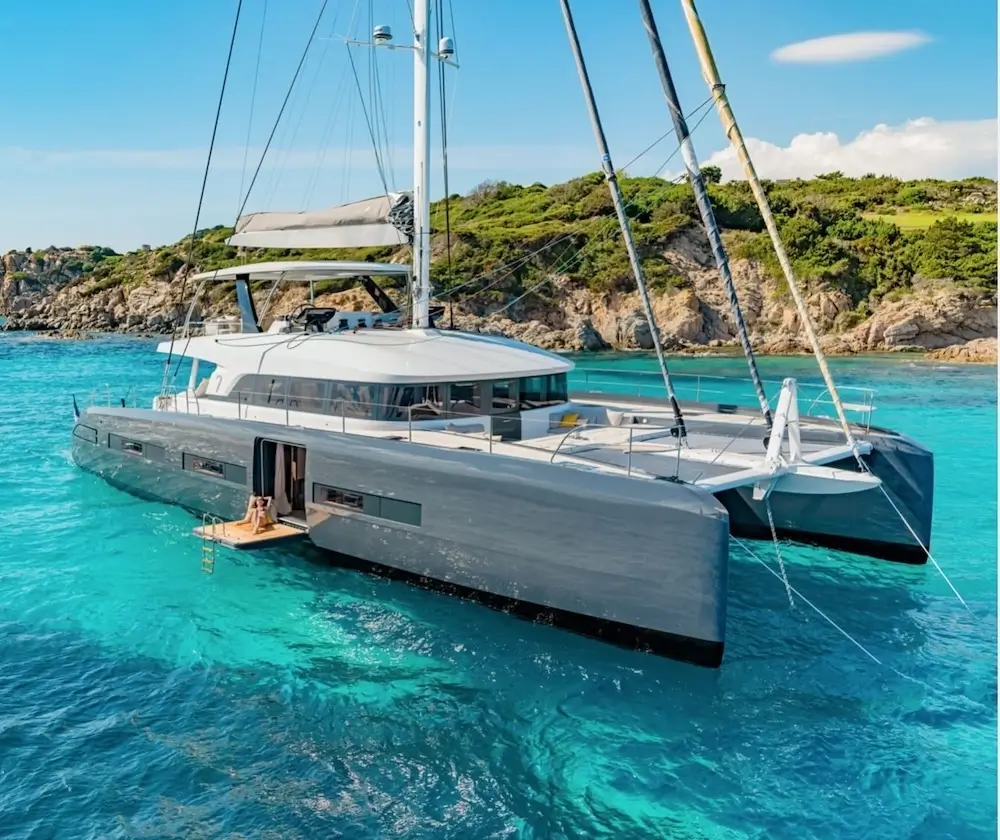
You want straight numbers. You want reasons behind higher price tags. You want a plan to enjoy top comfort without waste. I run charters across Split, Trogir, Kaštela, Šibenik, and Dubrovnik. I see quotes, yard invoices, marina bills, and end-of-week ledgers. The notes below convert that flow into clear logic you can apply.
Composite layup drives the base bill. Vacuum infusion, core materials, and resin systems target strong yet light shells. Weight targets matter. Extra kilos reduce speed, raise fuel burn, and stress structures. CE categories and ISO rules add testing and documentation. Wide windows, big openings, and skylights improve life on board yet require reinforced frames and careful bonding. Each upgrade adds hours and specialist checks.
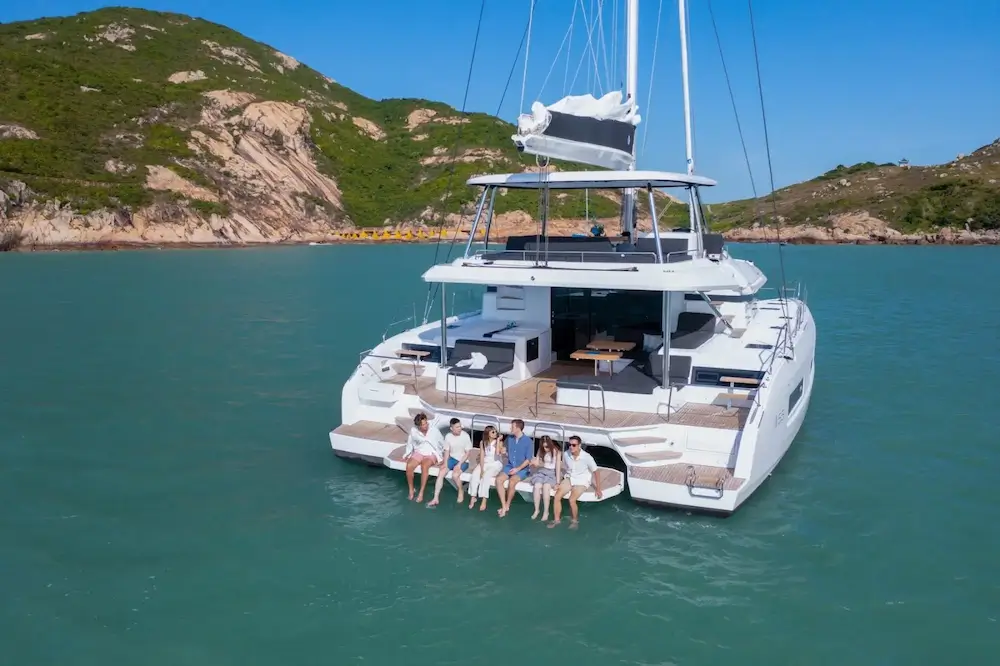
Why Catamaran Is So Expensive 2
A catamaran carries two engines. Two saildrives. Two props. Two rudders. Redundant fuel lines. Double anode sets. Extra through-hulls. More seacocks. More cabling. Labor doubles across many tasks. Parts orders increase. Winter service lists grow longer.
Large beams and long crossbeams hold the platform together. Bulkheads transfer loads into both hulls. Builders add carbon or high-spec glass in stress zones. Extra structure equals extra lamination and more finishing hours. Panoramic windows require thicker laminates and tight tolerances. Each square meter of interior adds furniture, wiring, lighting, plumbing, and ventilation.
Top studios charge design fees. Strong brands hold resale values, yet purchase price reflects that strength. Premium fit-out tiers include real wood veneers, solid surfaces, stitched upholstery, and high-grade hardware. Higher price at entry, higher value at exit, yet higher capital at risk between those points.
Production rates differ by yard. Wage levels and currency exposure influence quotes. Delivery to the Med adds transport, rigging, and commissioning at the base. Each step touches technicians, surveyors, and local partners. Every hand adds a line to the invoice.
Modern catamarans run full nav suites. Two plotters in many cases. AIS, radar, autopilot with remote, twin VHF sets, and a full sensor web. Owners request lithium banks, chargers, alternator upgrades, solar arrays, and larger inverters. Comfort gear adds a generator or larger shore power capacity. Watermakers provide independence during park nights. Each system demands approvals, testing, and documentation. Shore teams then maintain those systems across years.
CE declarations and ISO compliance drive lab reports and audits. Post-delivery support involves spares, software updates, and seasonal inspections. Bases manage punch lists for new hulls. Warranty teams coordinate parts and labor across Split, Kaštela, Trogir, Šibenik, and Dubrovnik. Owners pay for that network within the purchase price.
Numbers vary by size and equipment. The list below reflects common line items for 40–55 foot platforms in Croatia.
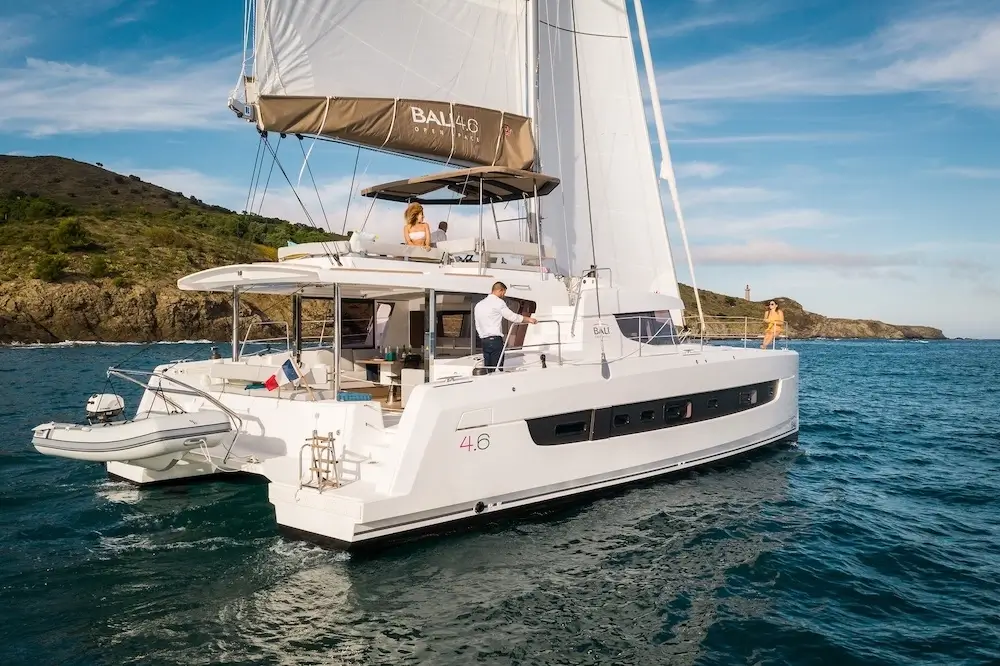
Why Catamaran Is So Expensive 3
Wide beam increases berth cost. A 45–50 foot cat often pays more than a monohull of the same length. Expect higher nightly bills at ACI Split, Marina Kaštela, SCT Trogir, D-Marin Mandalina in Šibenik, and ACI Dubrovnik. Town quays sometimes charge by area or by category, with catamarans in a higher band. Mooring fields in park zones follow their own tables, again with multihull surcharges.
Fuel burn depends on speed and generator hours. A 40–42 foot platform on gentle legs often uses 60–120 liters across a standard week. A 50–55 foot platform on longer legs and more generator time lands higher, often 160–300 liters. Watermakers reduce dock water purchases yet add service hours. Shore power fees at marinas vary by location and season.
June and September deliver warm seas and softer queues. July and August bring higher base rates and peak crowds. Supply tension during peak weeks pushes charter prices higher, which supports stronger owner income yet still leaves fixed costs to cover. Month selection influences both revenue and wear across the fleet. A month-by-month overview sits under best time to charter in Croatia. Local wind rhythm for passage planning appears in this short note on weather in Split area.
MSRP varies by brand, fit-out, and option packs. The ranges below reflect new boats entering Med fleets in recent seasons.
New hulls drop fastest during the first three years. A gentle slope follows through year eight with strong maintenance. Refit windows appear around years five to eight. Upholstery refresh, new canvas, new running rigging, electronics updates, and a sail plan refresh restore appeal for the next cycle. Clean records preserve value.
Purchase price per berth runs higher for multihulls. Stability and deck space justify demand from family groups. Charter rates mirror that demand. A 45–46 foot monohull with four cabins often prices below a 45–46 foot cat with four equal cabins. Marina fees also favor the monohull band in many towns due to narrower beam. Large aft cockpits and flybridges on multihulls still win for social life, which explains higher booking rates in peak months.
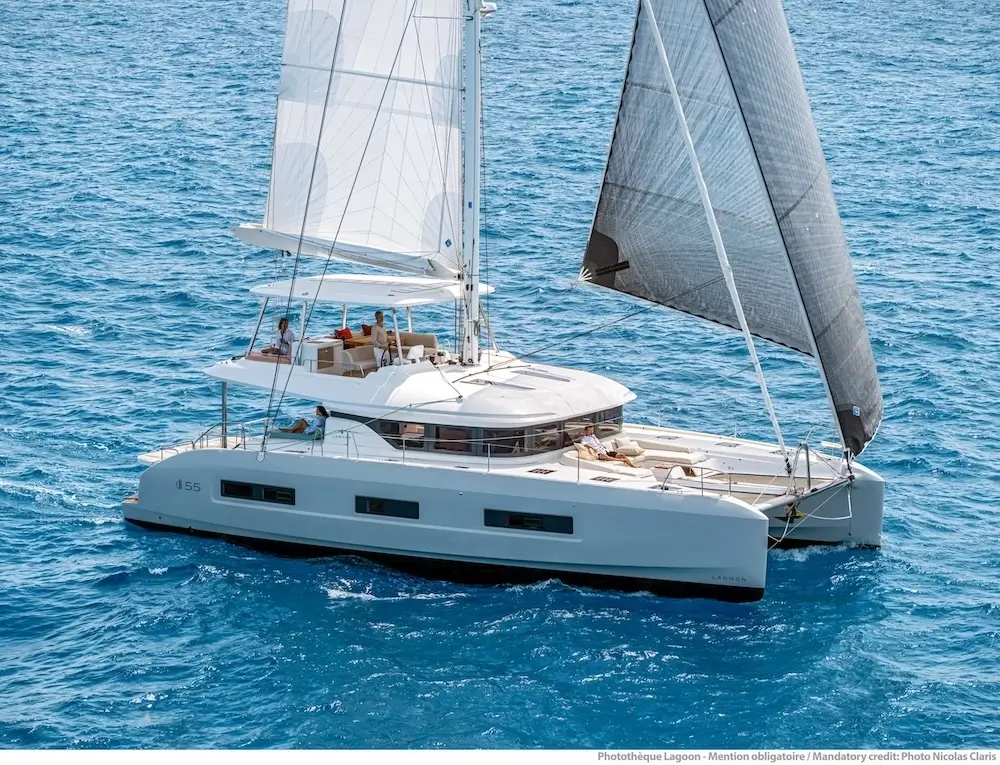
Why Catamaran Is So Expensive 4
Two levers shape income. Rate per week and weeks booked. A strong base and a sharp operations team help both.
Net figures follow after insurance, marina contracts, routine service, sails and lines, cleaning, and marketing. Tight winter work and quick Friday turnarounds protect reviews, which in turn protect rates and weeks booked.
Bareboat runs at a base rate plus extras. A skippered week adds a professional captain fee and a cabin. A hostess or chef adds wages and food service. Luxury crews run APA-style extras for premium provisions and higher fuel burn. Compare formats in skippered charter options and this primer on crewed catamaran charters.
Ownership suits frequent use and long horizons. Renting suits annual holidays and flexible routes. A two-week family trip every second year rarely covers fixed ownership costs. A tailored charter places funds into the week you live on board without risk across winters. Explore prices and route flavor in Croatia catamaran charters, then pick a regional focus such as Split catamaran charters, Zadar catamaran charters, or Dubrovnik catamaran charters.
Start with the base rate. Add skipper or crew wages if requested. Add transit log, tourist tax, cleaning, and a refundable deposit or a waiver alternative. Fuel, marinas, buoys, and premium toys sit outside the base in most programs. Review line items before payment with this checklist of what is included in the rental agreement. Menu planning support sits in our provisioning guide. Tipping ranges for crews appear under tipping in Croatia.
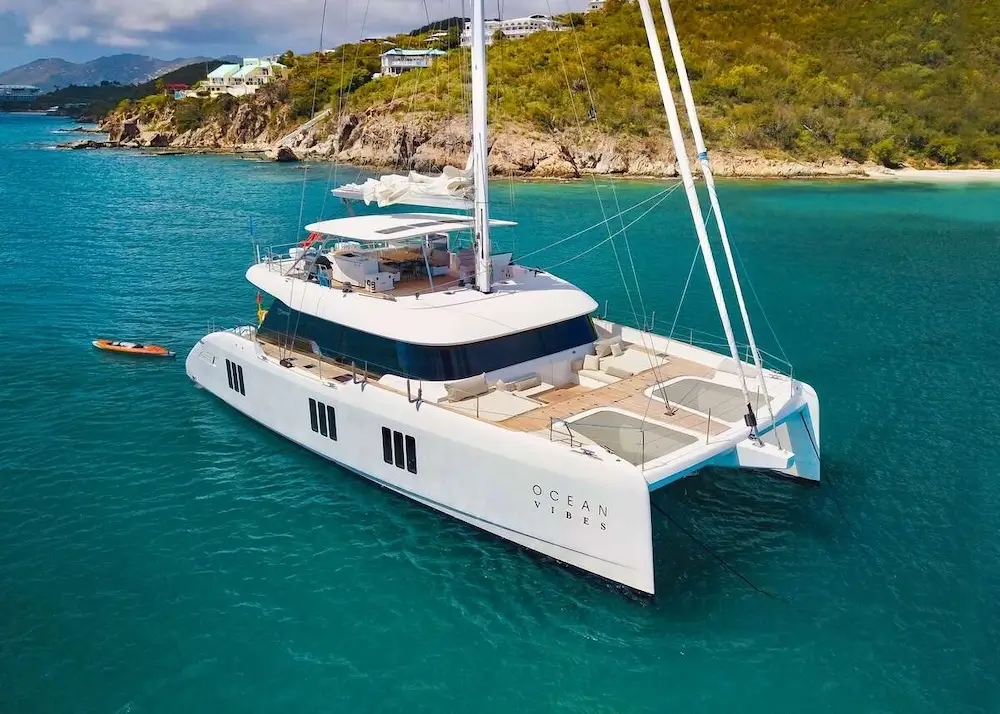
Why Catamaran Is So Expensive 5
ACI Split fuels on Friday morning before queues rise. Marina Kaštela offers wide fairways for 50+ foot platforms. SCT Trogir sits near the old town and speeds up check-ins. D-Marin Mandalina in Šibenik provides strong shelter during bora episodes. ACI Dubrovnik upriver reduces swell and supports calm handovers.
Layout shapes comfort and cost. Equal cabins help groups share fairly. A flybridge raises social value and headroom. Larger galleys and more fridges serve families well. Match group size to hull length with this selector for how to choose the right catamaran.
A skipper license and a radio operator card sit at the top of the list for self-skippered weeks. Med-mooring practice around crosswinds helps a lot. Read the acceptance rules in bareboat requirements in Croatia. When comfort matters more than self-drive pride, bring a captain and relax into the route. Service levels appear under skippered charter options.
Stability encourages grandparents and kids. Wide decks support safe movement. Equal cabins reduce friction among couples. A shaded cockpit and a flybridge raise hours spent outdoors. For many groups, comfort equals higher real value per day, even with higher base rates.
Ready to start planning? Browse our catamaran fleet to compare layouts, pricing, and availability for your dates.
Croatian island weeks are made richer by stopping in a konoba — order peka (slow-cooked lamb or octopus under a bell-shaped lid) and a bottle of Pošip from Korčula or Plavac Mali from Hvar, while the Maestral fades and the bay turns glass-still after sunset.
Peak weeks draw stronger demand. June and September offer warm water with softer crowds. Rate bands follow that pattern.
Guests pay marinas, buoys, and park moorings during the week. Base rates rarely include those nights.
Either a refundable security deposit or a waiver with a smaller refundable part. The contract lists exact numbers.
A captain adds a weekly fee and one cabin. Efficiency at fuel docks and berths often saves time and stress.
Many trips land near 120–200 liters including tender use and some generator time. Long legs raise totals.
Gratuities stay optional. Local practice follows the ranges in our guide to tipping in Croatia.
Ready for a quote with dates and a sample route. Press the line below and share headcount and preferred month.
This guide was prepared by the Catamaran Charter Croatia editorial team — a group of charter brokers and sailors who have been organizing yacht charters in Croatia since 2013. Every itinerary, marina, and pricing range described here reflects current first-hand fleet experience and direct partnership with licensed charter agencies. Last reviewed: May 2026.
If a detail looks out of date, write us at www.catamaran-croatia-charter.com/contact — we update guides quarterly.