10–14 Days on a Catamaran: the Whole Croatian Coast from Zadar to Dubrovnik
A 12–14 day one-way catamaran route down the whole Croatian coast, from the Kornati to the Elaphiti, with pacing and one-way drop-off tips.
Read more
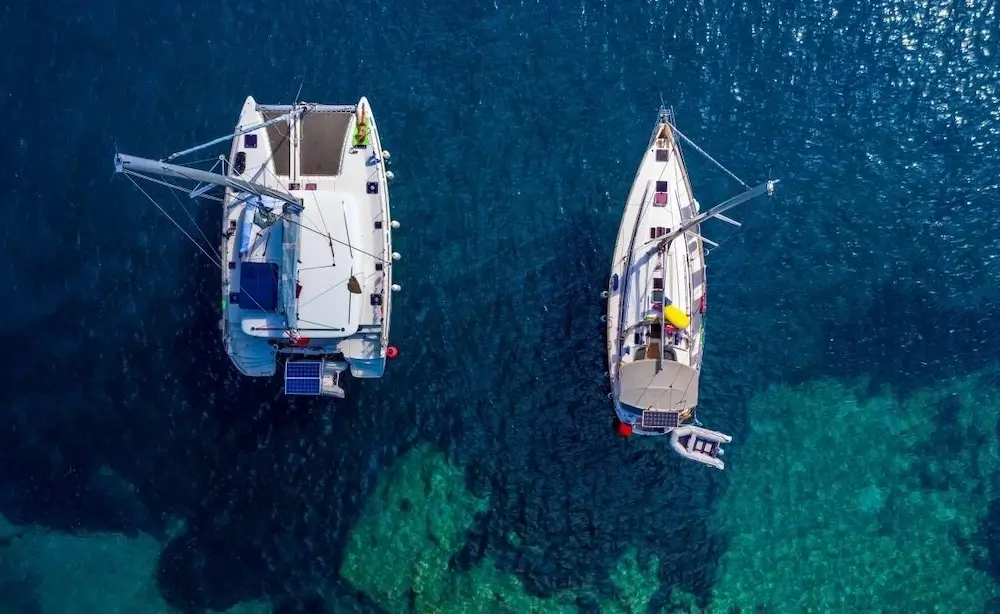
You want clarity before booking. You want a safe, comfortable week with smooth berths and clean swims. I run charters from Split, Trogir, Kaštela, Šibenik, Zadar, and Dubrovnik. Daily turnarounds, fuel docks, marina queues, and midweek support shape the guidance below. Use these notes to choose a platform with confidence.
| Traveler type | Better fit | Why |
|---|---|---|
| Family with kids or grandparents | Catamaran | Level deck, wide cockpit, shallow draft for sandy bays, easy tender use |
| Two families or four couples | Catamaran | Equal cabins, two hulls for privacy, large saloon and flybridge |
| Small crew focused on sailing feel | Monohull sailboat | Strong feedback on helm, heel adds sensation, upwind angles |
| Budget-first group | Monohull sailboat | Lower weekly rate on average, narrower beam lowers marina fees |
| Photo and beach focused group | Catamaran | Stable platform for swims, big fridge space, shade on flybridge |
| Shoulder-season explorers | Either | Pick based on route length, crew skills, and comfort priorities |
Start selection with group size and layout needs. A step-by-step chooser lives here: how to choose the right catamaran.
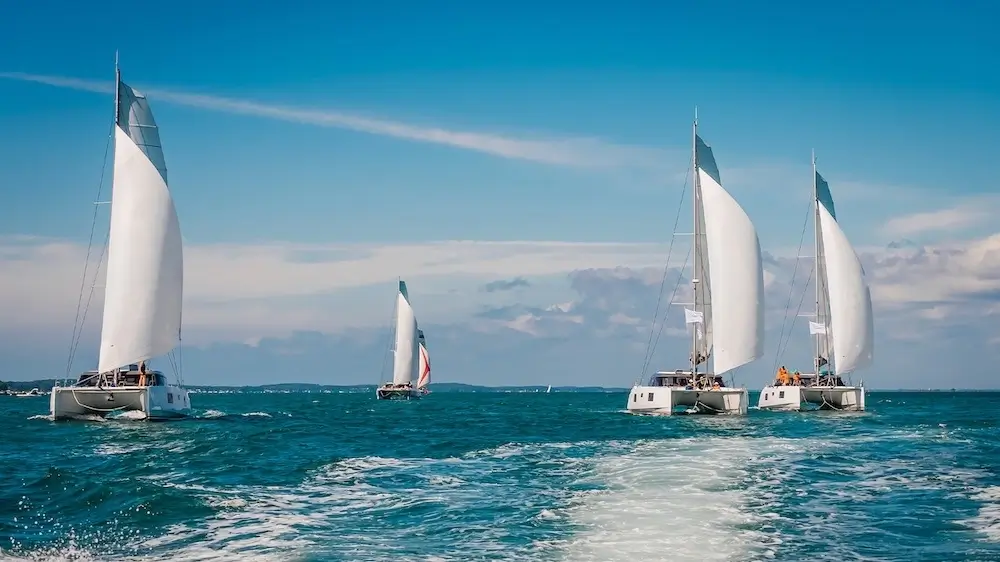
Difference Between Sailboat And Catamaran 2
A monohull heels under sail. Fifteen degrees feels normal in summer breeze. Crew members feel motion through knees and core, which many sailors enjoy. A catamaran stays flatter. Coffee mugs remain planted. Kids move around without bracing. Seasickness risk drops for many guests during meals and card games.
On a brisk afternoon off Hvar, a 45-foot monohull tracks upwind with spray over the bow. A 45-foot catamaran reaches across the same channel with a level deck and higher average speed on that point of sail. Both platforms serve different preferences. Comfort wins for many mixed groups.
Two hulls create two quiet bedroom zones. Four equal double cabins arrive often on 40–45-foot cats, plus two forepeaks for kids or crew. A central saloon links cockpit and galley with sliding doors. A flybridge adds shade, seating, and 360-degree views. Privacy improves for two families.
A monohull saloon sits below decks with a narrower beam. Berths remain cozy and efficient. Cockpit space feels tighter in marinas, yet sailing feel rises. Social hours move between cockpit and saloon depending on sun and breeze.
Shallow draft unlocks more bays. A 45-foot cat often draws around 1.2–1.4 meters. Sandy shelves at Šunj on Lopud or Sakarun on Dugi Otok welcome that profile. Mooring fields across Telašćica and Kornati protect seagrass and offer organized buoys. A monohull draws deeper, commonly 2 meters or more on performance designs, still fine for most town quays and many bays, with a wider anchor radius in shallow zones.
Real numbers from summer legs:
Average speed depends on sea state, wind angle, and crew decisions. A catamaran often posts higher averages on reaches and runs. A monohull shines upwind with a sweet groove and efficient tacking angles.
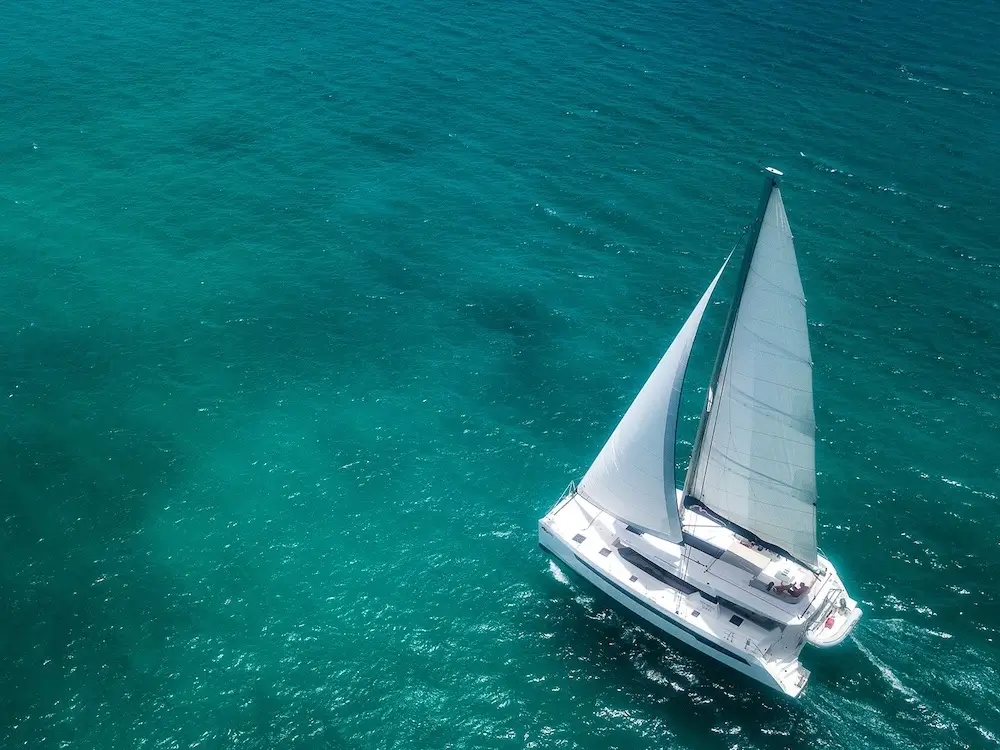
Difference Between Sailboat And Catamaran 3
Twin engines sit wide apart on a catamaran. Slow-speed control improves in tight marinas. Skippers pivot on the spot using forward on one side and reverse on the other. Stern-to med-mooring feels calmer for new crews. Large side decks simplify fender work.
A monohull uses a single screw, with prop walk during reverse. Skilled skippers love that feedback for precise stern-to landings. Spring lines become the magic tool on crosswind berths. Narrow beam helps when slips feel tight along town quays.
Roll defines many anchor nights. A monohull swings and rolls in cross-swell. A catamaran resists roll due to beam, though bridgedeck slamming appears with short, steep chop at some angles. Choice of bay solves most comfort complaints. Hvar’s south bays feel calm in maestral. Mljet’s Polače protects from jugo swell. Šešula on Šolta suits a first or last night with short fetch and pine-lined slopes.
Two engines bring redundancy for a catamaran week. Two rudders, two saildrives, twin fuel and electrical runs raise resilience. Broad deck space reduces trips and slips. Large trampolines forward require clear night rules with kids. Bridgedeck clearance matters in chop, which modern designs handle well for coastal summer routes.
A monohull self-rights through ballast and hull form. Deep keel tracks along gusty stretches, helpful during brisk bura spells in open channels. Jacklines and harnesses support night moves when a crew member needs to step forward.
Weekly rate often runs higher for a catamaran of similar length due to volume, twin systems, and strong demand from family groups. Marina and mooring fees rise with beam in many ACI locations and town quays. Fuel use increases for a catamaran during motoring legs and generator hours for air-con. A monohull holds a lower line on berths and fuel in most weeks.
Before payment, review a clean checklist of inclusions here: what is included in the rental agreement.
Three winds define summer choices:
A catamaran thrives on afternoon reaches with maestral. A monohull points higher during bura days while seeking shelter behind high ground. For a month-by-month view plus sea temperatures, scan this planner: best time to charter in Croatia.
For Central Dalmatia timing and daily rhythm, check field notes under weather in Split area.
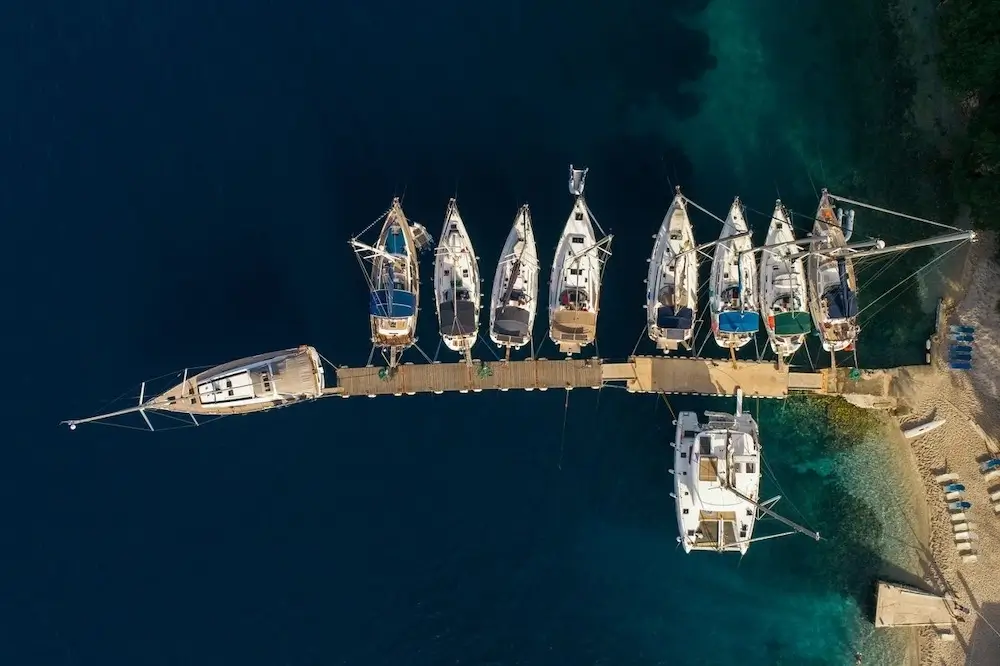
Difference Between Sailboat And Catamaran 4
Bareboat weeks require a recognized skipper license plus a radio operator card. Originals sit on the nav desk during check-in. Accepted lists include ICC, RYA Day Skipper or higher, ASA 104 with radio, and national equivalents. Full acceptance notes live here: bareboat requirements in Croatia. Radio specifics and card guidance appear in this short VHF certificate guide.
A professional captain lowers stress in crowded marinas and picks smart anchorages for wind shifts. Service levels and weekly fees appear under skippered charter options. For full hotel-style service with chef and hostess, compare formats inside crewed catamaran charters.
Air-con loads demand strong power. Many catamarans bring a generator plus larger battery banks and solar for quiet hours. Fridge volume climbs with saloon size. Watermakers support long park nights around Kornati and Mljet. Monohulls carry simpler systems on average, with smaller genset counts in mid-size fleets. System choice affects sound levels, fuel use, and maintenance windows.
A wide aft platform on a catamaran eases SUP launches, snorkel starts, and beach landings. Bigger tender choices support longer shore hops at Hvar or Korčula. A monohull transom serves swimmers well with a swim ladder and passerelle for stern-to berths, yet loading for large beach days feels busier with less deck width.
Menu planning and provision lists sit here: provisioning guide.
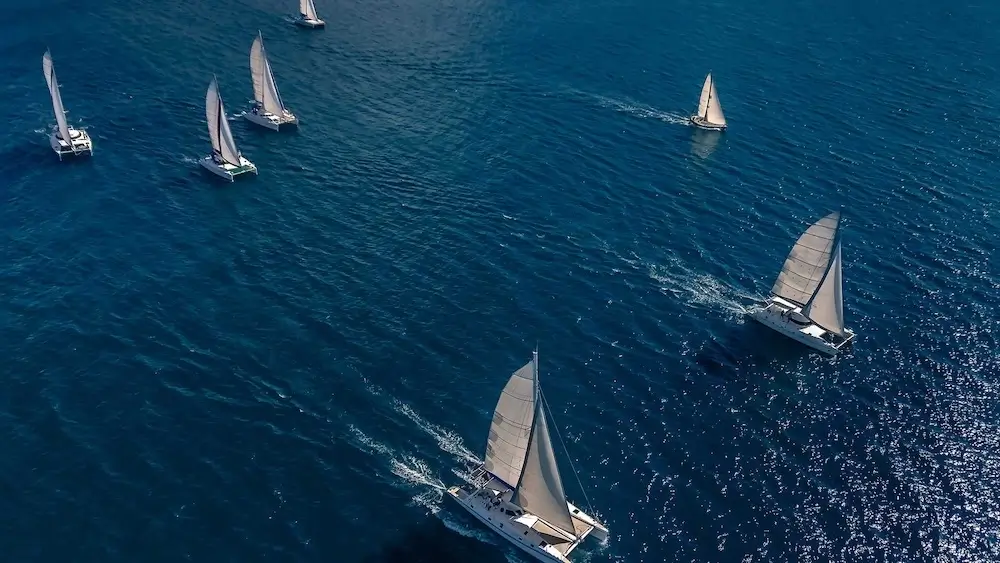
Difference Between Sailboat And Catamaran 7
Board on Saturday from 17:00 at ACI Split, Marina Kaštela, or SCT Trogir. Handover completes by 19:00.
Catamaran version leans into longer lunches and late swims, with wide cockpit shade. Monohull version targets extra tacks on Day 2 and Day 5 for helm time.
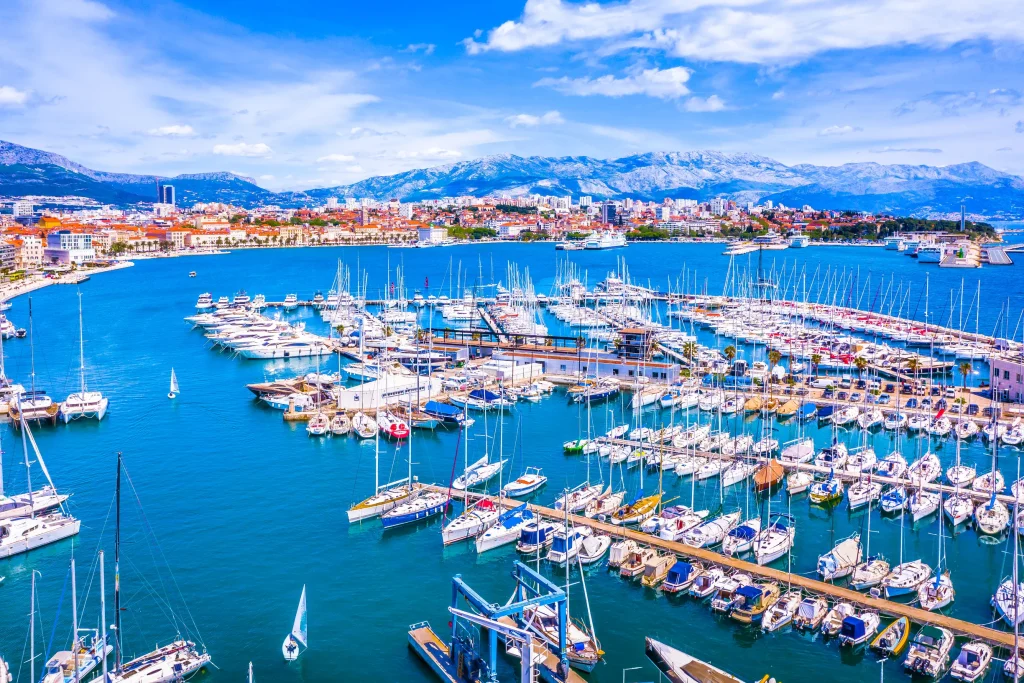
Split shore flavor appears here: Split catamaran charters.
Start from D-Marin Mandalina, a strong shelter during bura. River run to Skradin works well for Day 1.
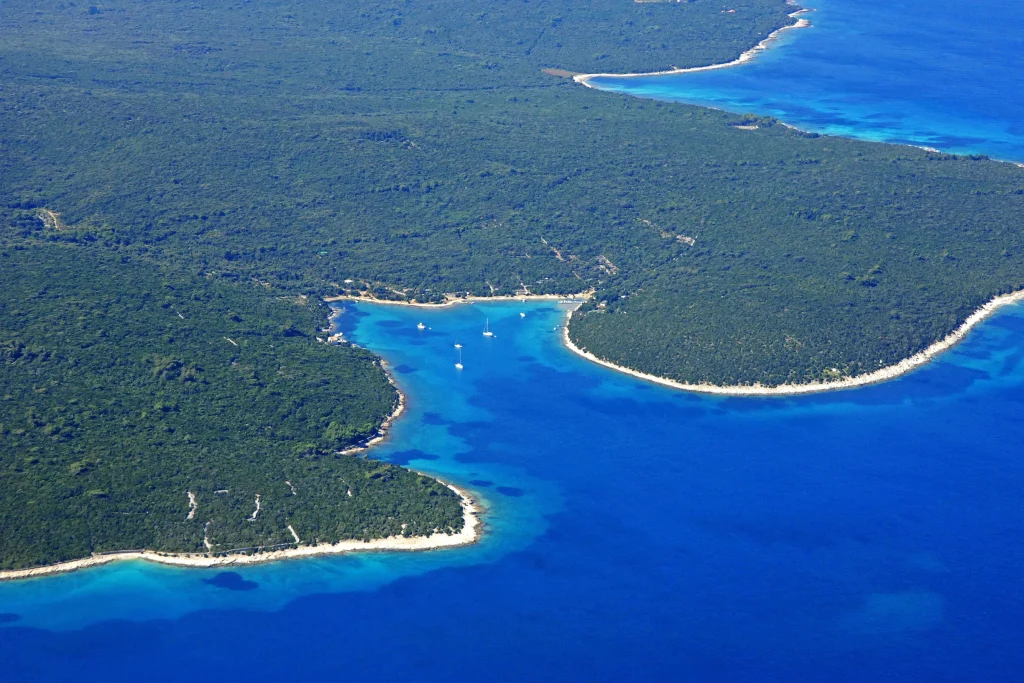
Buoys protect seagrass across park areas. Rangers check stubs late afternoon. Planning notes and buoy fields sit in the Šibenik and Kornati route overview, with a detailed map inside this Kornati route guide.
Base at ACI Dubrovnik upriver for a calm handover.
Extra sea angles and swim stops appear in the Elaphiti route guide. For pre- or post-week beach ideas around the city, scan Dubrovnik catamaran charters.
Zadar-based options for Sakarun and north-park entrances sit here: Zadar catamaran charters.
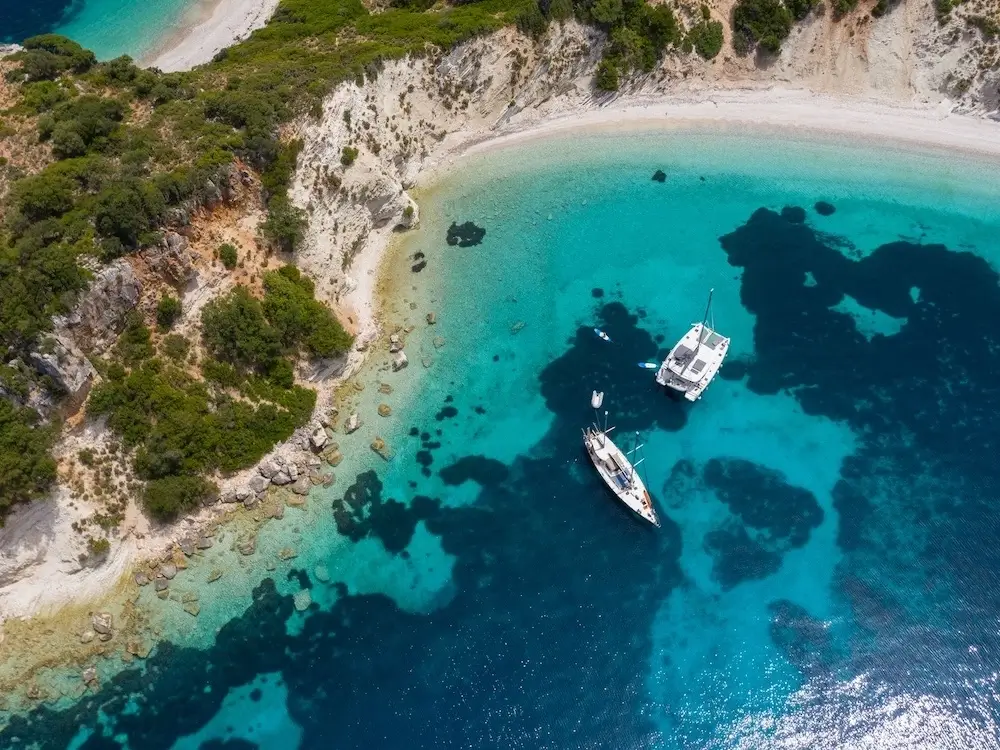
Difference Between Sailboat And Catamaran 5
Gratuity customs for crews appear in this short note: tipping in Croatia.
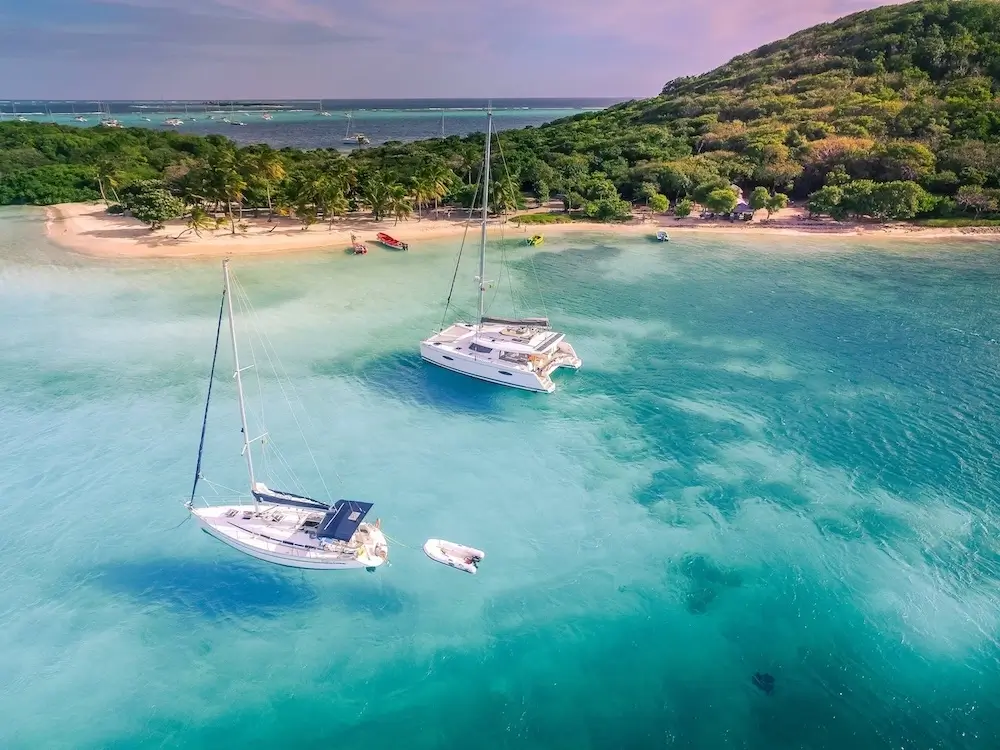
Difference Between Sailboat And Catamaran 6
Ready to start planning? Browse our catamaran fleet to compare layouts, pricing, and availability for your dates.
How does stability differ on a breezy afternoon near Hvar
A catamaran stays level during afternoon maestral, which helps kids and seniors move around. A monohull heels and delivers stronger sailing feel.
Which platform reaches shallow sand near Šunj or Sakarun more often
A catamaran due to shallow draft and wide stance at anchor.
What average speed should a group expect on a 45-foot week
Across summer routes, 6–8 knots under sail on favorable angles for a catamaran, 5.5–7 knots for a similar monohull, with engines raising averages during lulls.
Which berths suit first-time crews in peak season
D-Marin Mandalina in Šibenik for shelter, ACI Dubrovnik upriver for calm water, Marina Kaštela for wide fairways. Early afternoon arrivals reduce stress.
What paperwork sits on the nav desk for bareboat weeks
Original skipper license, radio operator card, passports, crew list, and charter contract. Full acceptance details sit under bareboat requirements in Croatia.
How do service fees differ between platforms
Catamaran berths often cost more due to beam. Fuel use rises with twin engines and generator hours. Monohull slips and fuel lines trend lower.
Where do park rules apply during a Šibenik or Zadar loop
Kornati and Telašćica require tickets with ranger checks in late afternoon. Planning maps live inside the Kornati route guide.
Who benefits from a professional captain
Families, first-time crews, and summer travelers facing busy marinas. Formats and pricing appear under skippered charter options.
This guide was prepared by the Catamaran Charter Croatia editorial team — a group of charter brokers and sailors who have been organizing yacht charters in Croatia since 2013. Every itinerary, marina, and pricing range described here reflects current first-hand fleet experience and direct partnership with licensed charter agencies. Last reviewed: May 2026.
If a detail looks out of date, write us at www.catamaran-croatia-charter.com/contact — we update guides quarterly.