Split Katamarancharter
Routen.
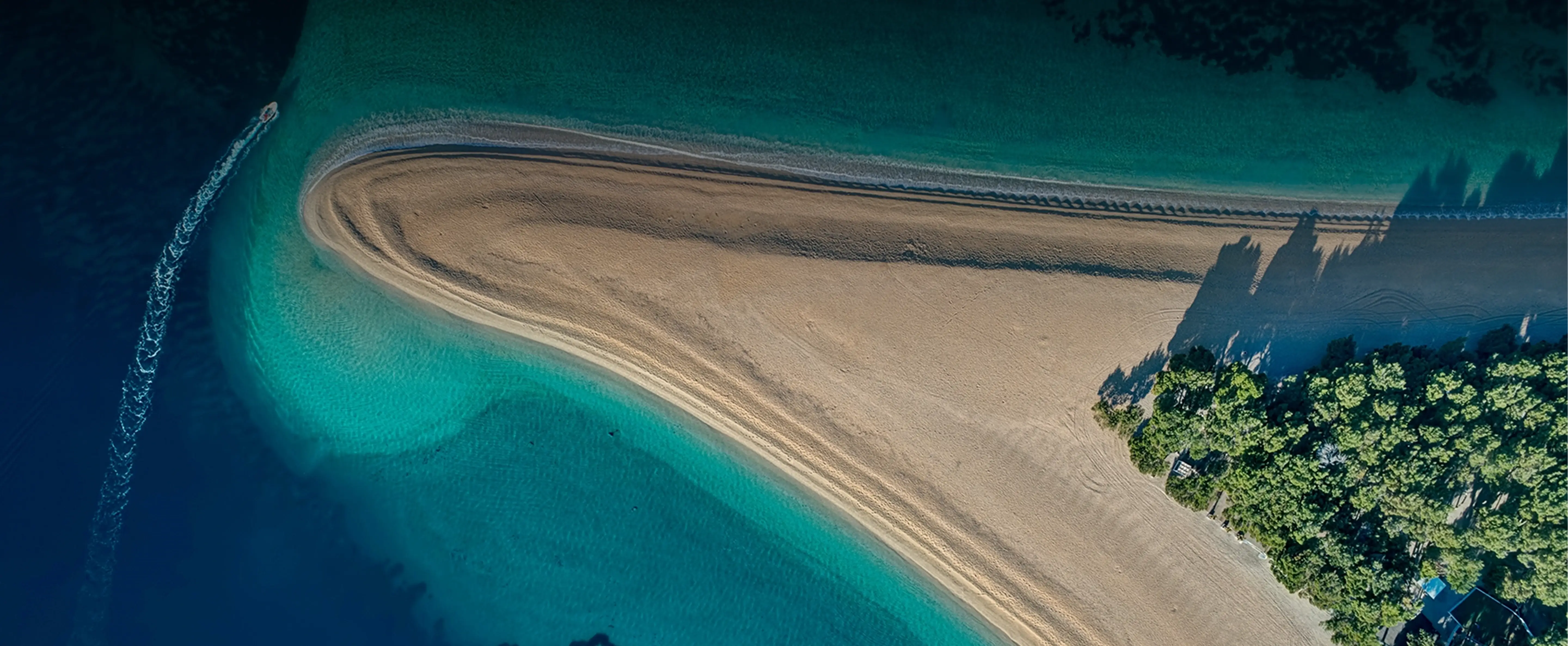
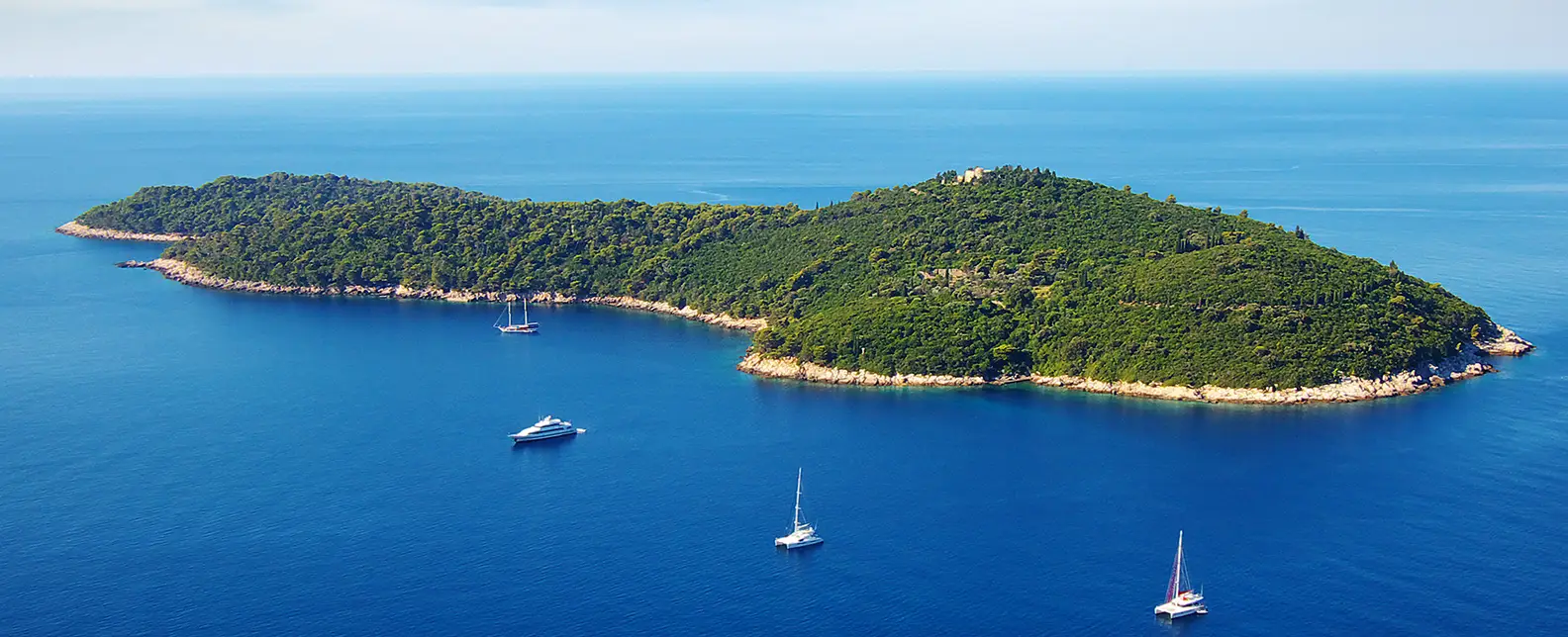
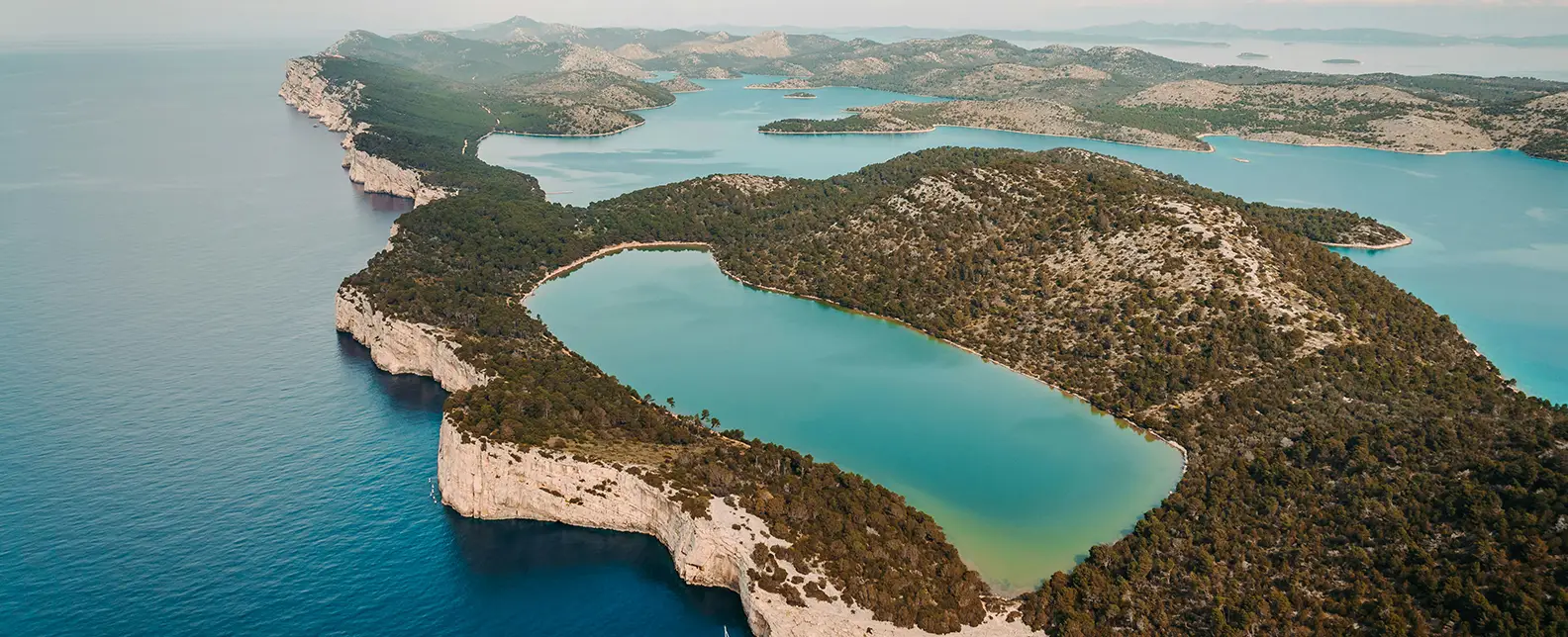
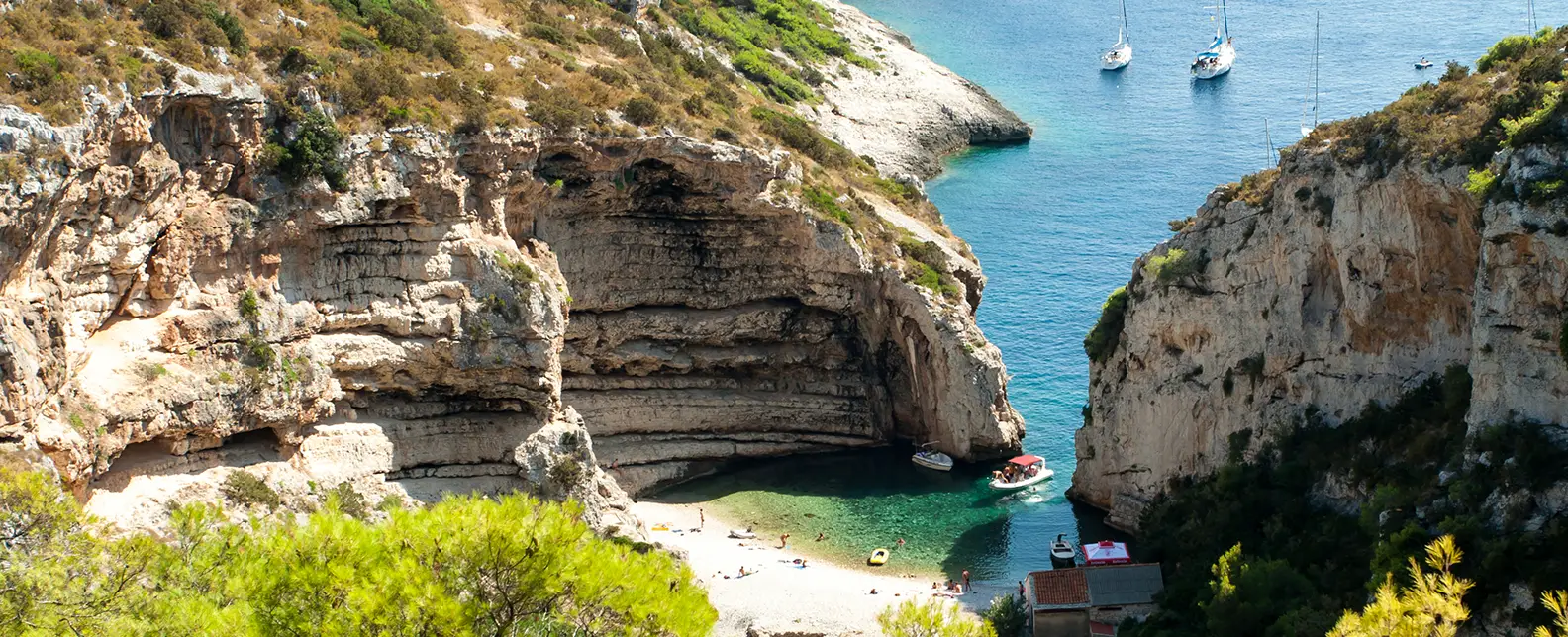
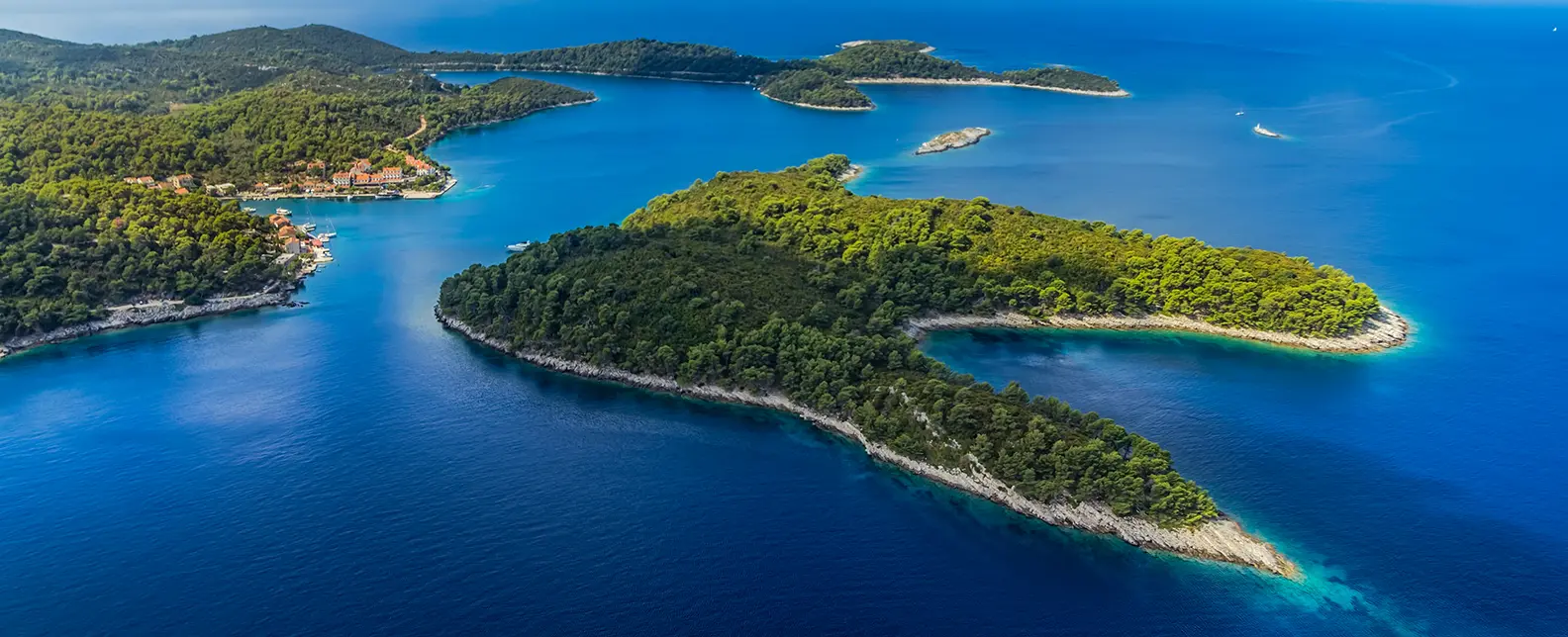
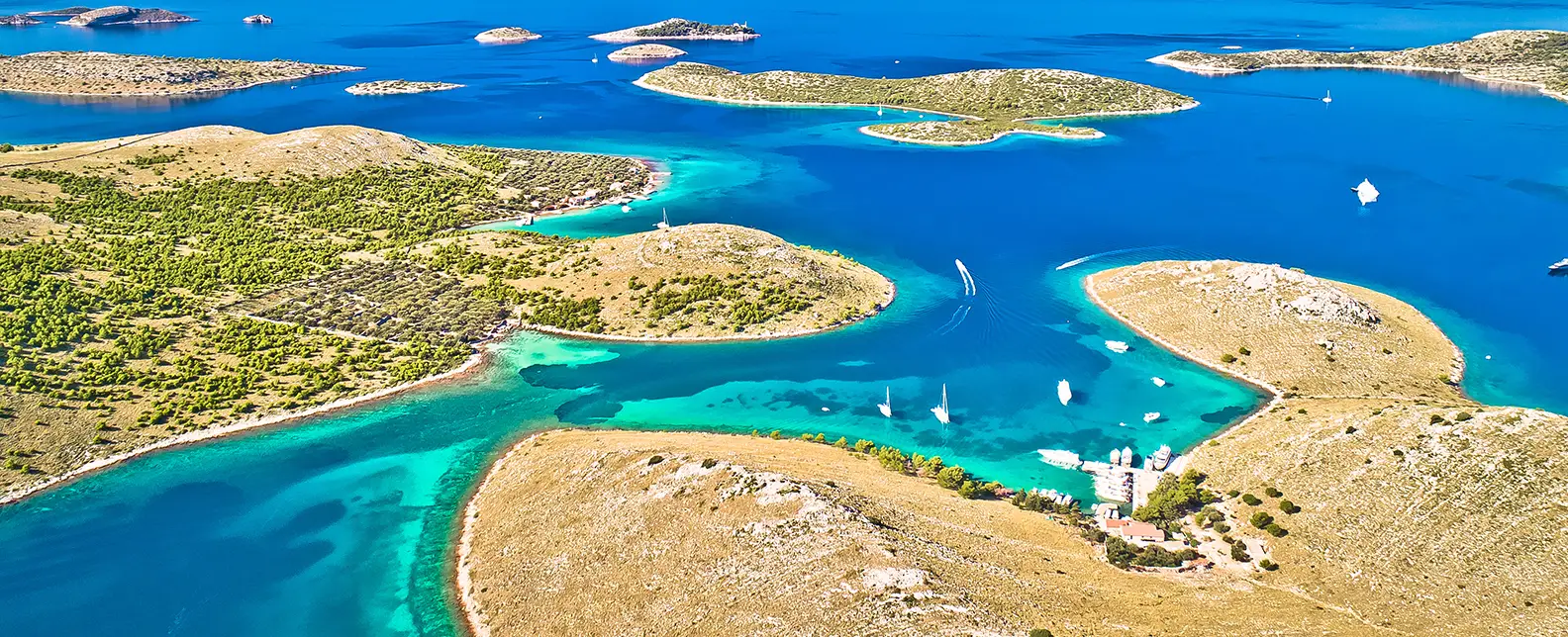
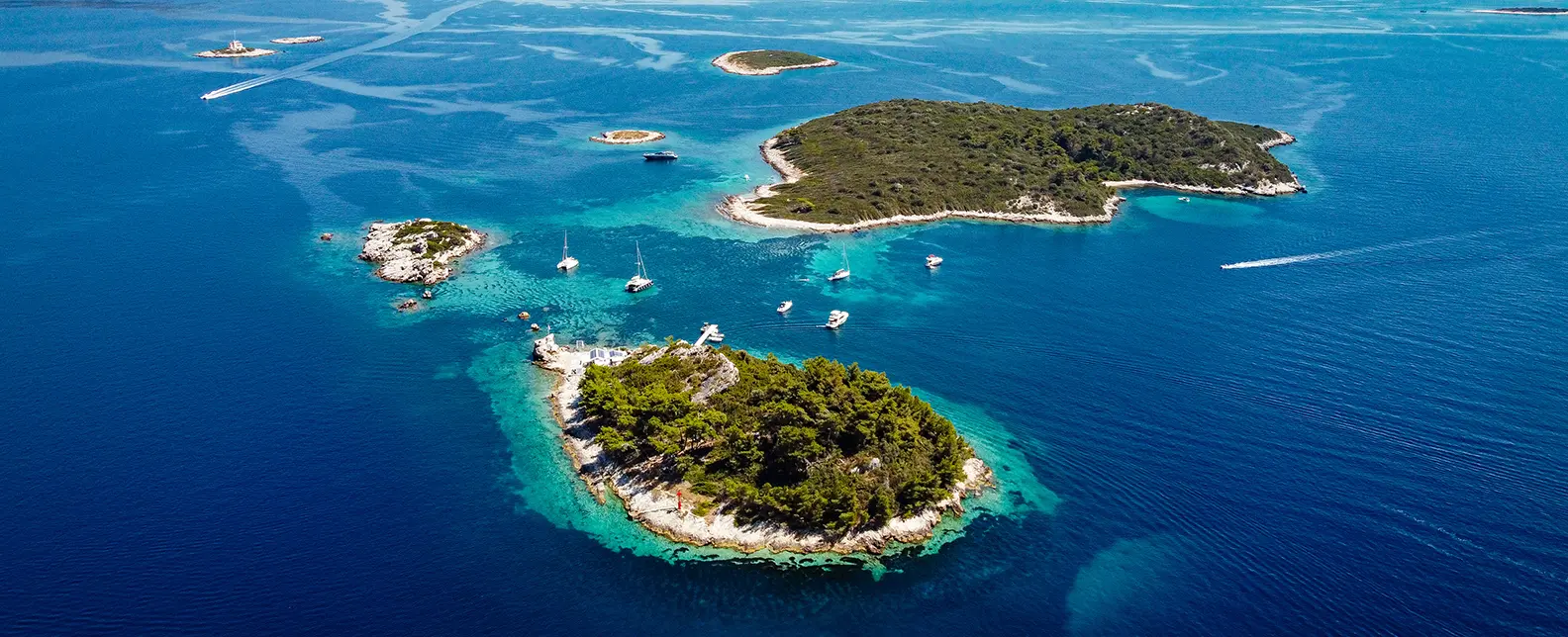
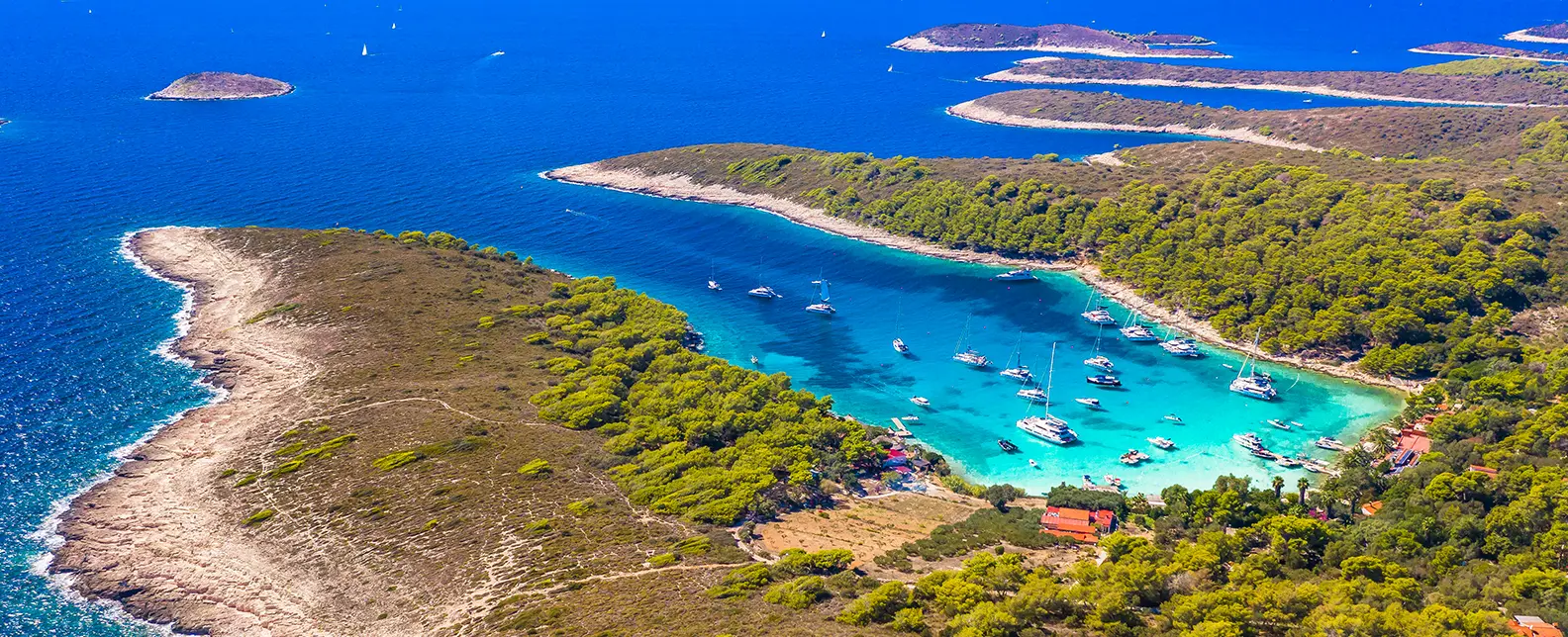
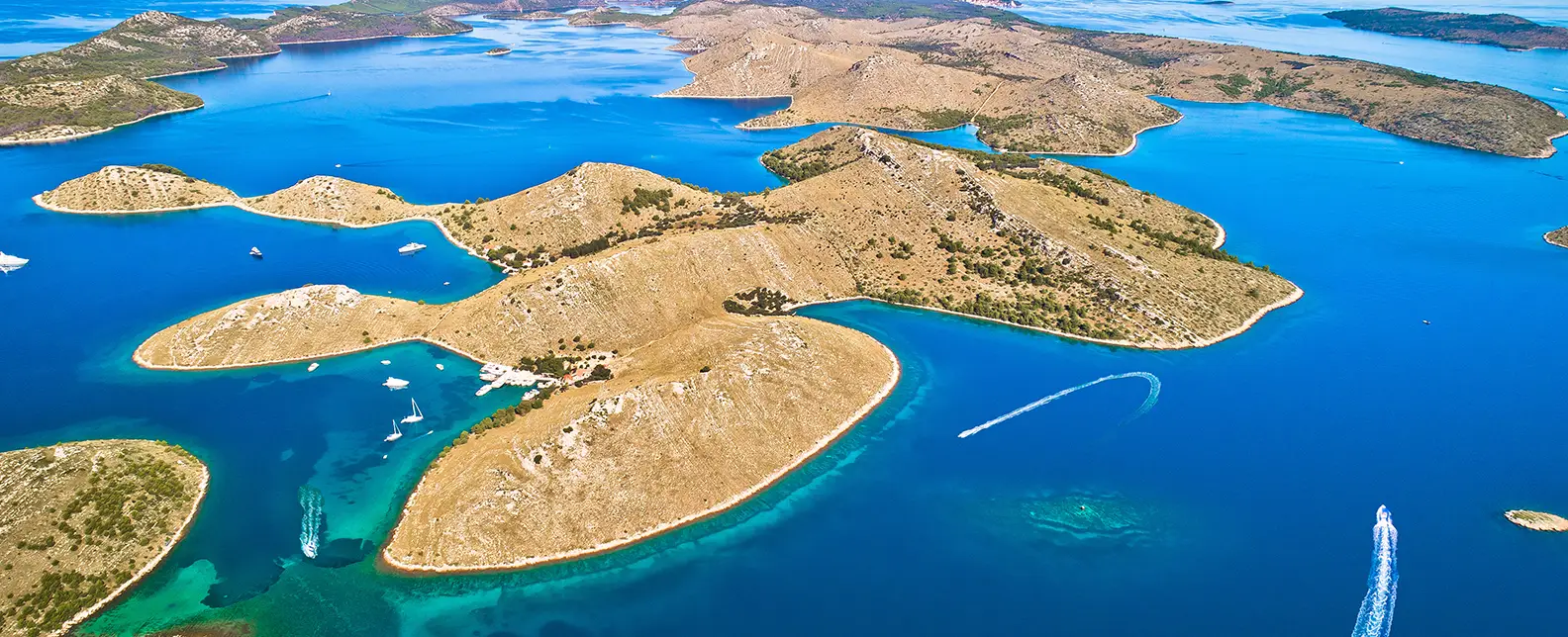
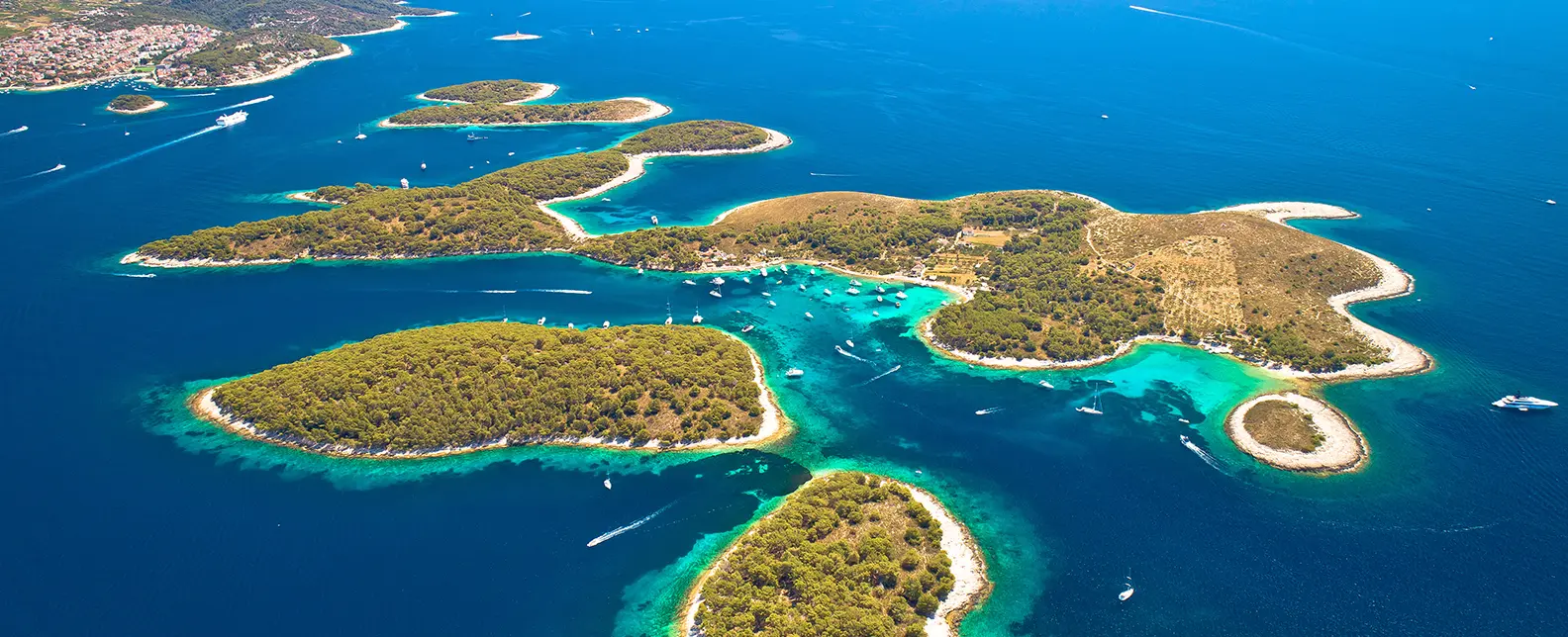
Split, aus Sicht unseres Charter-Teams.
Split bildet den Mittelpunkt des zentraldalmatinischen Charter-Reviers – Marina Kaštela liegt 15 Minuten vom Flughafen entfernt, die ACI Marina Trogir am westlichen Ende der Kaštela-Bucht, und eine Woche von Samstag bis Samstag umrundet bequem Šolta, Brač, Hvar, Vis und Korčula, bevor es zurückgeht. Katamarane prägen die örtliche Flotte, denn die zentraldalmatinischen Ankerplätze sind geschützte Sandbuchten, in denen der breite Rumpf des Katamarans mit nur 1,2 Metern Tiefgang bequem auf 4–8 Metern liegt, während Einrümpfer in tieferem Wasser abseits ankern müssen.
Das Windregime bestimmt hier die Routenführung. Der Maestral – der südwestliche thermische Wind, der vom späten Vormittag bis in den Nachmittag auf 4–5 Beaufort auffrischt – ist die verlässliche Segelbrise des Hochsommers; die Morgenstunden bleiben meist ruhig, die Nachmittage frisch am Halbwind nach Südosten durch die Inseln. Die Bura ist die Gefahr: ein kalter, fallender Nordostwind, der vom Velebit-Massiv herabstürzt, binnen kurzem auf über 8 Beaufort anwachsen kann und die gesamte Flotte zwingt, in den geschützten Nordküstenbuchten von Šolta und Brač Schutz zu suchen. Der Jugo (südöstlicher Schirokko) ist das zweite Risiko im Frühjahr und Herbst – er baut sich langsamer auf, schiebt aber 3 Meter hohe Wellen an die Südküsten von Vis und Korčula.
Zu den herausragenden Katamaran-Ankerplätzen zählen Maslinica auf Šolta (geschützte Bucht an der Westseite mit Restaurant-Liegeplätzen), Milna und Bobovišća auf Brač (tiefe hufeisenförmige Buchten mit Stadtkais und Muring-Leinen), Stari Grad auf Hvar (die langgezogene Bucht und die griechische Ausgrabungsstätte aus dem 4. Jahrhundert v. Chr.), Komiža auf Vis (kostenfreier Kai unter den Klippen des Hum) und Pomena auf Mljet (die Bucht des Nationalparks). Vis selbst war bis 1989 jugoslawisches Militärsperrgebiet und für Ausländer geschlossen und bleibt die am wenigsten erschlossene zentraldalmatinische Insel – das Top-Katamaranziel für Crews, die geringe Charterdichte suchen.
Gefällt Ihnen eine dieser Routen? Wir passen sie an.
Teilen Sie uns Ihre Reisedaten, Abfahrtsbasis und Crewgröße mit. Ein Charterberater antwortet mit einer auf Ihre Gruppe zugeschnittenen Route und passenden Katamaranen — meist noch am selben Werktag.